

Local businesses in Chandler and beyond face a straightforward challenge: keep customers coming back without resorting to invasive tracking or burning cash on digital ads. Digital loyalty programs solve exactly this, but not all programs are built the same. Some quietly collect location data and check-ins. Others put privacy first and still deliver measurable results. This guide breaks down how digital loyalty works, why it matters for local merchants in 2024–2026, and how Chandler Flex Rewards offers a concrete, privacy-respecting alternative to tracking-heavy passes.
Key Takeaways
-
A digital loyalty program replaces paper punch cards and plastic cards with mobile-first, QR-based systems that track rewards in real time, making it easier for local businesses to drive customer retention and brand loyalty without extra hardware.
-
Modern customer loyalty programs must be simple (QR codes, no plastic), mobile-friendly, and designed to keep customers engaged with real local rewards instead of generic points that feel impersonal.
-
Many “free” visitor passes and municipal loyalty campaigns quietly require geo-location check-ins and extensive data sharing, whereas Chandler Flex Rewards focuses on community rewards without intrusive tracking-customers scan a QR code only when they choose to.
-
Digital loyalty done right increases repeat visits, average transaction value, and word-of-mouth while protecting customer data. In fact, 90% of digital loyalty programs report positive ROI, and a 5% increase in retention can boost profits by 25–95%.
-
The sections below walk through definitions, benefits, common program types, implementation steps, and a concrete look at how a local, privacy-first platform like Chandler Flex Rewards works for Chandler residents and businesses.
What Are Digital Loyalty Programs?
A digital loyalty program is a technology-based system for rewarding repeat business, delivered through mobile apps, QR codes, email passes, or digital wallets instead of paper stamp cards or plastic loyalty cards. Digital loyalty programs replace traditional physical cards with digital platforms, letting customers track points and redeem rewards using mobile apps or digital wallets.
These programs reward customers with points, digital stamp cards, cashback, or immediate offers-all managed through online systems in real time. Programs utilize digital infrastructure to track customer purchases in real time, giving both the business and the customer instant visibility into reward progress.
The contrast with traditional programs is stark. Traditional loyalty programs-paper stamps in a drawer-create data blind spots without digital tracking. They can’t personalize anything, can’t remind a customer about an expiring reward, and can’t tell you which offer brought someone back. Digital loyalty uses customer data like spend patterns, visit frequency, and preferred locations to tailor loyalty programs and deliver relevant rewards.
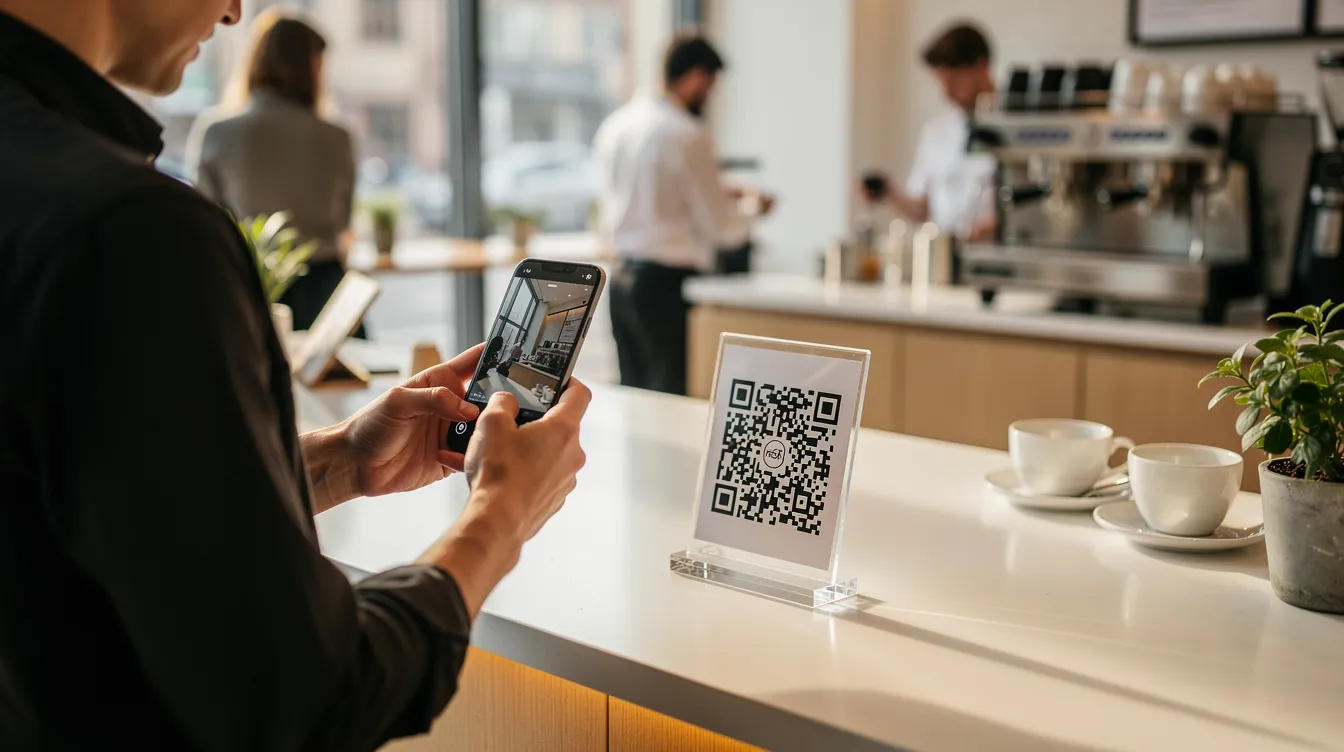
In Chandler, Arizona, this matters right now. With 65% of US adults using digital wallets monthly, and 91% of adults aged 18–26 using digital wallets as their primary payment method, local customers expect to manage rewards on their phones-not carry yet another card. A modern loyalty program can be community-based (multiple local merchants under one platform, like the Chandler Flex Rewards App) or single-brand based (one retailer’s own app). The community model creates network effects: more businesses, more offers, more reasons for residents to participate.
Why Digital Loyalty Matters for Local Customer Loyalty and Retention
Small businesses in retail, dining, and services face rising digital ad costs and relentless competition from national chains. Retaining existing customers through a digital loyalty program is now a key growth lever. Industry research consistently shows that a 5% increase in customer retention can boost profits by 25–95%, depending on margins. That’s not a hypothetical-it’s a well-documented benchmark driving customer retention strategies across industries.
When customers know they earn rewards every time they shop locally, they stay loyal, visit more often, and choose a participating merchant over a chain or out-of-city alternative. This is the core of repeat business: shifting occasional shoppers into regulars through consistent incentives.
One-off coupons create short spikes. Digital loyalty programs create ongoing customer engagement, measurable impact on repeat purchases, and the data to understand what’s actually working. Starbucks Rewards accounts for 41% of U.S. sales as of early 2024-proof that even at massive scale, loyalty drives revenue.
The Chandler Flex Rewards App is a concrete example: a community-ranked local digital loyalty solution focused specifically on Chandler residents and businesses, not tourists or visitors. It’s designed around everyday local shopping, not one-time check-ins for sweepstakes entries.
Key Benefits of Digital Loyalty Programs
This section covers practical benefits for owners of cafés, salons, boutiques, and local services-not abstract theory. Digital loyalty programs like Chandler Flex Rewards for small businesses can increase customer lifetime value by over 25%, and they lower marketing costs by building a base of brand advocates who bring customers back organically.
The main benefits break down as follows:
-
Increased customer loyalty and repeat visits: Rewarded customers tend to buy more frequently and spend more per transaction. Customers who redeem rewards show 50% repeat purchase rates.
-
Stronger customer engagement between purchases: Digital loyalty programs increase customer engagement by 60%, keeping your business top-of-mind between visits.
-
Better use of customer data for relevant offers: Instead of guessing, you know which offers work and which don’t.
-
Stronger brand loyalty to local businesses: Digital loyalty programs create a deeper emotional connection with customers, transforming interactions from transactional to emotional.
-
Local economic benefit: A shared loyalty ecosystem in a city like Chandler encourages residents to explore more local businesses and keep spending in the community.
Customer-friendly convenience matters too: rewards stored on a phone, quick QR scanning, instant confirmation, and no need to carry physical cards or remember complex codes.
Improved Customer Engagement
Digital loyalty programs provide always-on touchpoints-push notifications, emails, in-app banners, or reward notifications via SMS-that remind customers about rewards, new offers, or community events. The key is being useful, not spammy. Digital loyalty programs can boost customer engagement by 25% when messages are relevant and timely.
Programs often provide immediate perks to consumers rather than delayed rewards, creating a “small dopamine hit” of instant gratification that keeps customers engaged. Earning a stamp or reward immediately after scanning a QR code at a local café delivers that feeling. HexClad generated $450K in referral revenue within 90 days by tying loyalty and referral mechanics together-proof that engagement tactics like successful referrals create real revenue.
A mix of evergreen rewards (like “Buy X, get Y”) and time-limited perks (weekend specials, seasonal Chandler events) keeps loyalty customers interested year-round. Customer engagement doesn’t require complicated gamification-simple stamp cards, rotating offers, and clear milestones are often enough for small businesses.
Better Use of Customer Data (Without Creepy Tracking)
In this context, customer data means email, rough area, visit frequency, and basic purchase patterns-not a detailed map of everywhere you’ve been. Loyalty programs capture behavioral data for understanding buying patterns, and digital programs often allow personalized marketing based on customer behavior.
Data-driven insights help businesses understand which offers work, what days are busiest, and which rewards bring people back. Research shows 60% of customers prefer personalized experiences in loyalty programs, and data-driven personalization increases repeat purchases by 60%. Personalized offers can lead to a 50% increase in redemption rates.
Some competing digital passes and visitor campaigns-like certain city tourism passes-require constant location permissions or mandatory check-ins just to earn rewards. That’s a fundamentally different approach from privacy-first digital loyalty.
Chandler Flex Rewards is a privacy-conscious alternative. It uses a simple QR-based redemption flow from your phone, does not require invasive geo-location check-ins, and avoids heavy tracking while still providing useful aggregated insights to local businesses. Choosing a loyalty platform that respects customer preferences for privacy builds long-term trust, especially as awareness of data practices grows in 2024–2026.
Stronger Brand Loyalty and Local Community Connection
Digital loyalty programs strengthen brand loyalty by consistently rewarding loyal customers for choosing a local merchant over a big-box chain. OSEA Malibu, for example, has a 77% repeat purchase rate among reward redeemers-evidence that loyalty mechanics drive real habitual behavior.
When many local merchants participate in one program, customers feel part of a “shop local” movement. This emotional driver is powerful: loyalty programs can transform customer interactions from transactional to emotional.
Ways to deepen community ties in cities like Chandler:
-
Local event bonuses tied to downtown weekends or seasonal festivals
-
Partnerships with schools or charities
-
Bonus rewards for participating in city initiatives
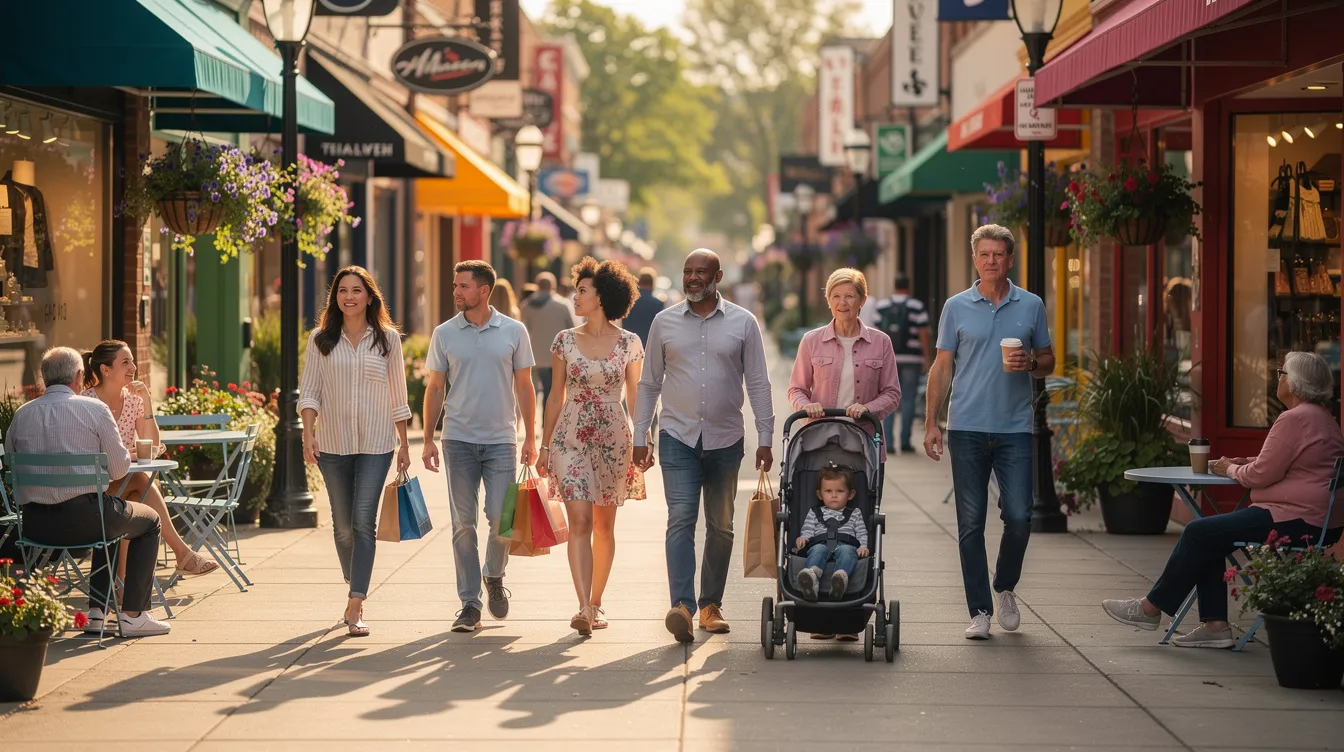
Brand loyalty grows when rewards feel meaningful-an exclusive local offer, a bonus for a neighborhood event-rather than faceless, generic points. Portland Leather Goods sees 17.4% of total revenue from loyalty activities, showing that loyalty isn’t a side project; it’s a core revenue driver.
Common Types of Digital Loyalty Programs
There is no one-size-fits-all customer rewards program. Small and midsize businesses should choose a format that matches customer behavior and their own capacity to manage it. The most common types include point-based, digital stamp card, cashback programs, paid or subscription based loyalty programs, and value-based or community-based loyalty. Game-based programs reward participation in challenges or games, adding variety for brands that want experiential rewards.
Many modern digital loyalty platforms, including community solutions like Chandler Flex Rewards for discovering local deals, blend more than one approach-combining stamp-style rewards with exclusive local offers or bonus points for events. Focus on simplicity: customers should be able to explain “how it works” in one sentence.
Point-Based Digital Loyalty Programs
Point-based programs are systems where customers earn points for purchases-a set number per dollar or per visit-redeemable for discounts, free products, or exclusive experiences. This model works best for e-commerce, multi-location retailers, or businesses with wide product ranges where flexible redemption makes sense.
Kitsch achieved $5.8M in loyalty-attributed revenue with 1.2M customers through a well-designed points and rewards structure. The main risk for retail businesses: if earn-and-burn rules become too complex, customers lose interest. Keep the math simple (“100 points = $5 off”). Tiered loyalty programs offer increasing rewards based on spending levels-and tiered loyalty programs can increase repeat purchase rates by 8.7x when structured well.
Digital Stamp Card Programs
A digital stamp card recreates the classic “Buy 9, get the 10th free” model on a phone. This is the ideal digital stamp card solution for Chandler residents for cafés, salons, quick-service restaurants, and frequent-visit local shops.
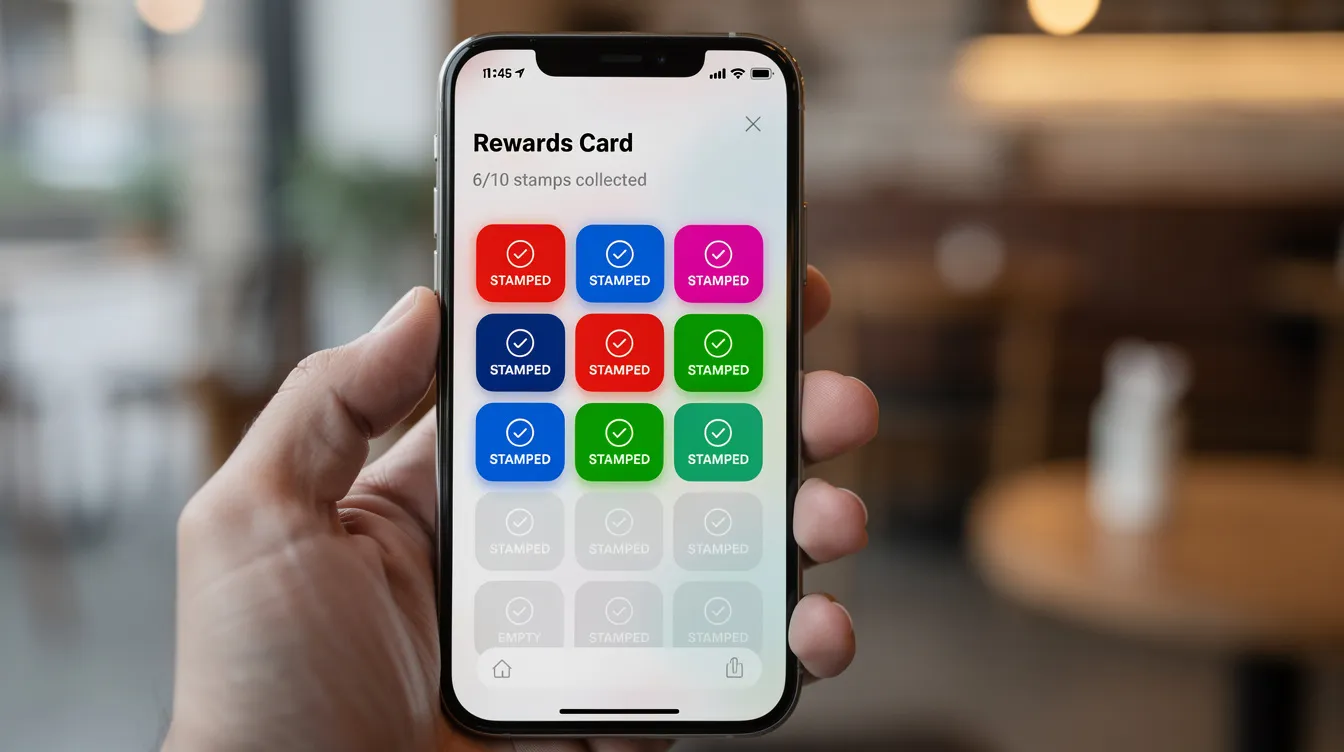
Customers earn digital stamps by scanning a QR code at checkout, with progress automatically stored in an app or digital wallet. Compared to traditional programs and paper stamp cards: less fraud, no lost cards, instant visibility of progress, and the ability to update offers centrally.
Chandler Flex Rewards is a modern evolution of this concept. Chandler businesses create simple, stamp-style offers that customers redeem from their phones in seconds-no plastic, no paper, no hassle.
Cashback Programs and Wallet-Based Loyalty
Cashback programs offer a percentage of purchase value back as cash-equivalent credit, either in a closed-loop wallet or as a discount on future purchases. The value proposition is clear: “Spend $100, get $5 back.”
Digital wallet-based loyalty stores value, gift cards, and rewards in a mobile wallet, making redemption frictionless. For small local merchants, overly complex wallet infrastructure may be overkill-point- or stamp-based rewards might be easier to explain. But for high-frequency categories like groceries or fuel, cashback programs remain compelling.
Paid / Subscription-Based Loyalty Programs
Subscription-based programs provide perks for an ongoing fee-monthly or annually-for exclusive benefits like free shipping, priority service, early access to new products, or premium exclusive discounts. This model works best when perceived value clearly exceeds the fee.
Small businesses should consider light-touch versions first (an optional VIP tier) before launching full membership programs, to test real demand. Subscription-based loyalty can be layered on top of an existing digital loyalty program once engagement and brand loyalty are established.
How Digital Loyalty Programs Work in Practice
A typical customer journey looks like this: discover the program via signage or social media, sign up by scanning a QR code or tapping a link, start earning digital rewards at participating businesses, and redeem by presenting a code or pass on your phone. Digital loyalty programs integrate seamlessly across in-store and online shopping, bridging the online sales channel with in-person experiences.
On the merchant side, businesses configure their offers, train staff on quick QR scanning or code validation, and track high-level loyalty metrics (visits, redemptions, active rewards members) via a dashboard. The best programs minimize friction-redemption should take seconds, not require navigating complex menus or extra hardware.
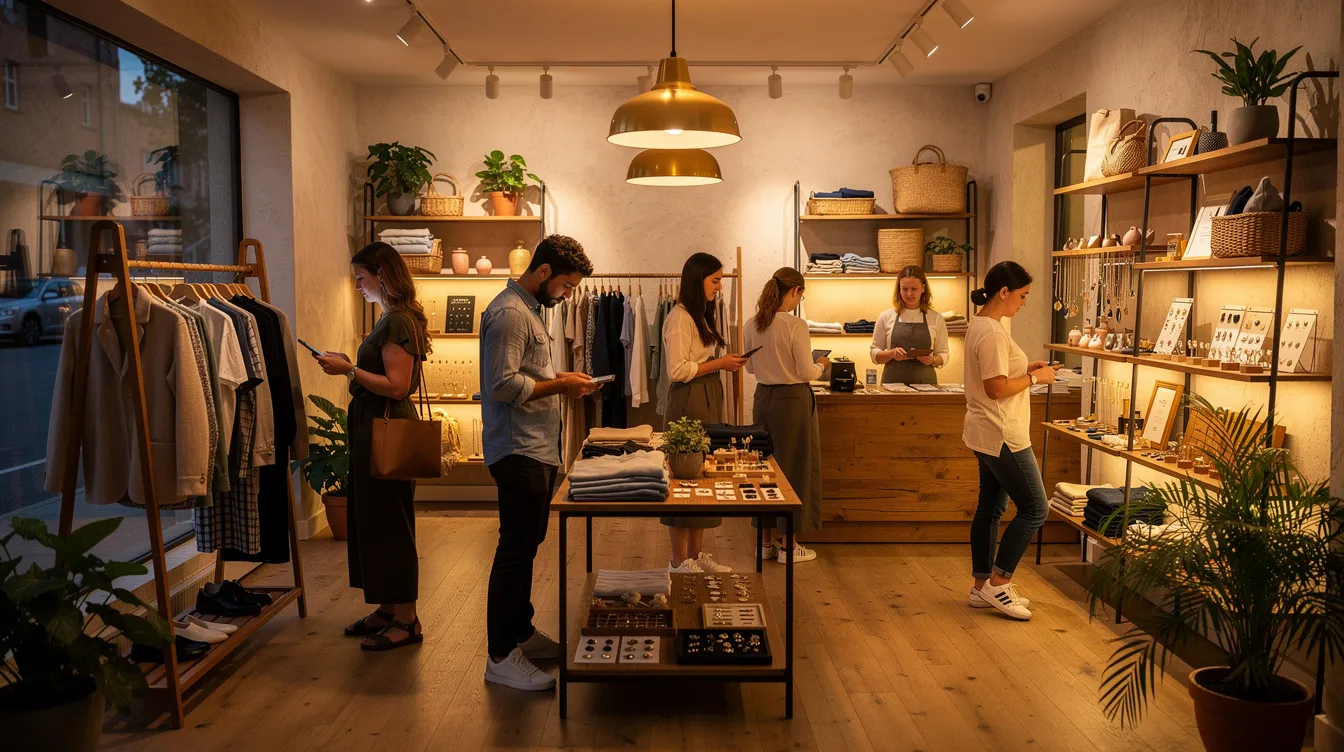
With the right loyalty platform, small businesses can plug into a broader community program instead of building everything from scratch. This is exactly the model Chandler Flex Rewards for shopping and dining offers.
Sign-Up and Onboarding: Getting Customers Enrolled Fast
Practical sign-up flows that work in local settings:
-
Scanning a QR code at the door or register
-
Joining from a table tent in a café
-
Responding to a direct link shared via email or social media
Minimal friction is critical. Ask only for essential details (phone or email) rather than long forms, and confirm enrollment instantly on the customer’s phone. A small welcome reward or sign-up bonus can encourage customers to enroll at the moment of purchase.
Unlike some visitor passes that require both phone number and email plus geo-location to proceed, privacy-first programs keep onboarding short and transparent about what data is collected and why.
Earning and Redeeming Rewards
Customers earn rewards based on the program type: loyalty points per dollar, digital stamps per visit, cashback percentage, or participation in local challenges. Redemption should be straightforward-the customer shows an on-screen reward or QR code, staff scans or confirms, and the system marks it used.
Use clear language: “You have 1 free coffee available” instead of cryptic codes. Clarity beats complexity every time.
Cross-business rewards can work in community ecosystems: a customer might earn at one Chandler business and redeem at another, encouraging exploration. Customers who redeem rewards show 50% repeat purchase rates, which means making redemption easy directly impacts your bottom line.
Keeping Customers Engaged Between Visits
Practical engagement tactics include notifying customers about expiring rewards, announcing new local offers, or highlighting Chandler events with bonus rewards. Send only relevant, periodic messages-segmented by interests or neighborhood when possible-to avoid notification fatigue.
Local campaigns work well: “Support small businesses during Downtown Chandler weekend and earn extra rewards.” This kind of social media engagement and community storytelling keeps customers emotionally connected.
Privacy-respecting engagement means no constant location tracking. Instead, rely on voluntary scans and simple activity-based triggers to engage customers.
How Chandler Flex Rewards Delivers Digital Loyalty Without Intrusive Tracking
Chandler Flex Rewards is a city-centered, digital loyalty program built specifically for Chandler residents and businesses-not a broad tourism pass. It’s a single, easy-to-use loyalty platform where Chandler businesses publish exclusive offers and locals redeem them via simple QR codes directly from their phones.
The platform is designed to protect user privacy: one-time sign-up, no constant location check-ins, no background tracking. This contrasts sharply with visitor-oriented passes (like some “Choose Chandler” style campaigns) that prioritize tracking check-ins and geo-location to measure tourist flows. Chandler Flex Rewards focuses instead on everyday local loyalty and data minimization.
As more Chandler businesses join, residents get more reasons to shop local, and the city’s small business ecosystem gains a unified digital loyalty program. Digital loyalty programs achieve 90% positive ROI on average-making participation a smart bet for merchants joining the platform.
Simple, QR-Based Offer Redemption from Your Phone
Chandler Flex Rewards uses a QR-first approach: customers open the app or web interface, view available local offers, and scan a QR code in-store to redeem rewards in seconds. No physical cards, no printed coupons, no awkward manual tracking. Everything happens with a quick scan and on-screen confirmation.
Staff training is minimal-employees scan and confirm. This seamless integration makes adoption easy for coffee shops, boutiques, fitness studios, and service providers. Because no constant GPS tracking is required, customers enjoy rewards without trading privacy for basic discounts.
Exclusive, Locally-Created Offers from Chandler Businesses
Chandler Flex Rewards is curated around Chandler businesses themselves. Owners set up their own offers-from “Buy 9, get the 10th free” deals to limited-time promotions or event-based rewards. A downtown café might offer a free pastry after several visits; a local salon might offer a discount on a fifth appointment.
This merchant-controlled approach lets offers reflect each brand’s personality, supporting differentiated brand loyalty inside a single city-wide program. Exclusive offers available only through the app give residents strong reasons to keep using it-boosting both loyalty engagement and customer retention for participating businesses. These personalized offers help bring customers back again and again.
Privacy-First vs. Tracking-Heavy Loyalty Approaches
Some competing digital passes and visitor campaigns rely heavily on check-ins and geo-location, requiring users to share where they are and when to earn points or entries. Programs like certain municipal “Choose” passes log check-in activity and location data as part of their prize-entry workflow.
For privacy-conscious locals, this can feel like surveillance-especially outside of one-time tourism contexts. It may discourage long-term engagement.
|
Feature |
Tracking-Heavy Passes |
Chandler Flex Rewards |
|---|---|---|
|
Location tracking |
Often required (GPS check-ins) |
Not required |
|
Data collected |
Phone, email, location, check-in history |
Minimal: email/phone, voluntary QR scans |
|
Primary audience |
Tourists and visitors |
Local residents and regulars |
|
Reward model |
Sweepstakes entries via check-ins |
Stamp-based and offer-based loyalty |
|
Privacy posture |
Collects movement data |
Data minimization by design |
|
For businesses focused on building long-term trust and local brand loyalty rather than short-term contest participation, a privacy-first digital loyalty program is more sustainable and customer-friendly. |
|
|
 |
|
|
How to Implement a Digital Loyalty Program in Your Local Business
If you’re a local business owner who isn’t a tech expert, launching a digital loyalty program doesn’t require months of development. Modern platforms are designed to be low-friction: no complex hardware, no custom POS integrations for basic use, and easy adjustments to offers over time.
Here’s a high-level roadmap:
-
Define your goals
-
Choose a model and platform
-
Set up your offers
-
Train staff
-
Promote at every customer touchpoint
Small businesses in Chandler should consider joining an existing community-based ecosystem like Chandler Flex Rewards merchant program instead of building custom mobile apps from scratch.
Define Your Customer Loyalty Goals
Set 2–3 concrete objectives before launching. Examples:
-
Increase repeat visits by 20% in the first quarter
-
Grow average ticket size by 10%
-
Fill slower weekdays with loyalty-driven traffic
Clear goals influence program design. A visit-based stamp card suits businesses aiming for more frequent visits, while spending-based loyalty points work better for raising average order value. Use simple KPIs-number of redemptions per month, percentage of new customers enrolled-and review them quarterly.
Think about how loyalty can align with community goals, like participating in Chandler events or supporting local charities, to differentiate your program.
Select the Right Digital Loyalty Platform
Criteria to evaluate:
-
Ease of use for staff and customers
-
Mobile-first design with QR support
-
Ability to manage offers without legacy systems or complex integrations
-
Data privacy standards
For Chandler-area businesses, a locally-focused loyalty platform like Chandler Flex Rewards offers immediate exposure to residents already using the app-a ready-made customer acquisition channel. Avoid platforms that force heavy data collection or complicated check-in procedures if those don’t match your values or customer expectations.
Test internally with staff and friends before public launch.
Design Simple, Valuable Rewards
Start with 1–3 core offers that are easy to explain:
-
“Buy 9 coffees, get the 10th free”
-
“Earn a reward after 5 haircuts”
-
“Spend $50, get $5 off your next visit”
Choose rewards that feel generous but are sustainable. Calculate average margin and typical visit frequency to set thresholds realistically. Clarity beats creativity-customers should know at a glance how many visits or dollars they need and what the reward is worth.
Rotate limited-time offers seasonally or around Chandler events to keep things fresh. Consider early product access or exclusive benefits for your most loyal customers to boost engagement.
Train Staff and Promote the Program
Staff buy-in is crucial. Employees should explain the program, help customers sign up, and process redemptions confidently.
-
Hold a brief training session or produce a one-page cheat sheet
-
Create sample scripts for inviting customers to join at the register
-
Use signage at entrances, table tents, receipts, website banners, and social media posts
Feature real results: “Our regulars earned X rewards this month.” Social proof and automated campaigns encouraging sign-ups accelerate adoption. Digital loyalty programs report positive ROI in 90% of cases-so the effort pays off quickly.
The Future of Digital Loyalty: Privacy, Community, and Everyday Use
Digital loyalty has evolved from paper punch cards to app-based ecosystems, and is now moving toward privacy-respecting, community-centric digital platforms. The trajectory is clear: more personalization, less intrusion.
Emerging trends-AI-driven personalization, mobile wallets, city-wide collaborations-will continue shaping powerful loyalty programs. But customers will increasingly reward brands that balance relevance with respect for privacy. Programs like Chandler Flex Rewards signal a shift from traditional coupons to long-term digital rewards, highlighting events, seasonal campaigns, and local-only perks.
While large global brands experiment with advanced loyalty features, small and midsize local businesses can win by being human, clear, and trustworthy.
More Personalization, Less Intrusion
Advances in analytics allow even small businesses to send more relevant offers-targeting coffee lovers versus lunch customers-without needing a customer’s exact location every minute. This respects individual preferences while still delivering value. Personalized offers tied to customer behavior drive measurable lift without crossing privacy lines.
Future-ready digital loyalty programs will offer granular communication options, letting customers opt into the types of offers they care about. Consent and transparency matter more each year. Chandler Flex Rewards and similar privacy-first platforms are well positioned for this shift, designed from the outset to avoid excessive tracking.
Local Ecosystems and Shared Loyalty
City- or district-based digital loyalty ecosystems are growing, where multiple independent businesses share a platform to keep residents engaged with local commerce. Shared programs lower costs for individual merchants, provide broader visibility, and create cohesion in downtown corridors.
Chandler Flex Rewards operates in exactly this ecosystem style-bringing together local Chandler restaurants, shops, and businesses into a single, easy-to-use digital loyalty experience. Local business owners should think beyond single-store loyalty. Cross-promotions, shared campaigns, and unified branding amplify the impact of individual offers and encourage customers to explore the full local landscape.
FAQ
How long does it realistically take a small business to launch a digital loyalty program?
With a ready-made platform, most small businesses go from idea to live program in days, not months-especially with simple digital stamp or QR-based rewards. A typical timeline: 1–2 days to finalize goals and offers, 1–2 days to configure in the platform, 1 day for staff training and test redemptions, then soft launch followed by public promotion. Joining an existing local ecosystem like Chandler Flex Rewards shortens this further, since the technology, QR infrastructure, and customer-facing app are already in place.
Do I need my own custom app to run a digital loyalty program?
Most local businesses do not need a custom mobile app. Shared loyalty apps, web-based passes, or digital wallet cards work well and avoid the high cost and low adoption of standalone apps. Community platforms like Chandler Flex Rewards centralize many businesses in one place residents already use. What matters most is a simple, reliable way for customers to join, see offers, and earn rewards quickly-not whether you built the app yourself. Square Loyalty and similar tools exist for single-store setups, but community platforms provide built-in reach.
How much customer data should a digital loyalty program collect?
Collect only data that directly supports better rewards and communication: a name, email or phone, and basic engagement history. Over-collecting increases compliance risk and makes customers uncomfortable, which harms loyalty engagement over time. Privacy-first platforms like Chandler Flex Rewards demonstrate how to strike that balance-gather enough to run an effective rewards program, but skip unnecessary tracking that doesn’t benefit the customer. Avoid always-on location data unless you have a clear, consented reason.
What if my customers aren’t very tech-savvy or don’t like downloading apps?
Not every customer wants to install new apps, and that’s a valid concern for businesses serving a broad age range. Practical alternatives include web-based enrollment via QR code, digital wallet cards, or staff-assisted sign-ups on a shared in-store tablet. Chandler Flex Rewards is designed with simple QR flows and minimal steps, making it accessible even for customers who rarely install apps. The beauty industry, food service, and retail businesses all report success with staff-guided onboarding bridging any remaining gaps.
How can I tell if my digital loyalty program is actually working?
Track a few straightforward metrics monthly:
-
Number of enrolled loyalty program members
-
Percentage of active members (earned or redeemed in last 60–90 days)
-
Number of redemptions
-
Revenue from loyalty members versus non loyalty customers
Over time, loyal customers should show higher visit frequency and larger average tickets. If that isn’t happening after a few months, adjust your rewards or communication strategy. Participation benchmarks vary-Reelie achieved 93.8% participation in three months, while Kahala Brands lifted retention from 15% to 25% and found loyalty members spend roughly six times more than non-members. Platforms like Chandler Flex Rewards provide dashboards summarizing program performance at the business level, so you can make decisions without being a data expert.