
Choosing the right rewards program can mean the difference between paying full price and unlocking hundreds of dollars in free travel, dining, and local perks. The best rewards programs today span retail, travel, and finance with programs leading in terms of value and ease of use. This guide ranks and compares the top loyalty programs across hotels, credit cards, restaurants, and local shopping—including Chandler Flex Rewards—so you can start earning more from every purchase.
Key Takeaways
-
Hotel rewards programs like IHG One Rewards, Marriott Bonvoy, and World of Hyatt can unlock free nights, upgrades, statement credits, and cash back when paired with the right strategy.
-
Pairing the right hotel loyalty program with a matching credit card (such as the IHG One Rewards Premier Credit Card) usually provides the fastest route to free travel and elite status perks.
-
In 2026, rewards programs are increasingly categorized by their core benefit: cash back, points/miles for travel, and retail perks—and credit card programs often act as hubs because their points can be transferred to various airline and hotel partners.
-
Local loyalty rewards programs, especially Chandler Flex Rewards for Shopping Local, are the best way to support small businesses while still earning meaningful perks on everyday purchases.
-
This guide includes concrete 2025–2026 offers, elite perks, and tips to help different types of travelers and shoppers pick the right customer loyalty programs for their lifestyle.
How to Choose the Best Rewards & Loyalty Program for You
No single “best” loyalty program exists. Choosing the best rewards program depends on spending habits, travel frequency, and management effort required for points. Your ideal mix depends on where you stay, how you travel, how much you spend, and whether you want cash back, rewards points, or exclusive deals.
When evaluating loyalty programs, consider these factors:
-
Your typical annual hotel nights—if you stay 10+ nights yearly, elite-heavy programs like World of Hyatt deliver outsized value through priority customer service and suite upgrades
-
Preferred hotel brands and their geographic footprint relative to where you actually travel
-
Airline transfer partners that align with your home airport and common destinations
-
Your appetite for paying an annual fee on a credit card in exchange for perks like lounge access or early access to sales
-
Whether you prioritize aspirational travel rewards like free nights or prefer straightforward cash back
The difference between loyalty programs (hotel rewards programs, restaurant apps, local loyalty programs) and loyalty rewards credit cards matters. Programs track your activity within their ecosystem and reward brand loyalty. Credit cards layer extra points or cash back on top of those programs, accelerating your earning rate on eligible purchases.
When choosing a loyalty program, consider factors such as the program’s earning structure, redemption options, and the types of rewards offered, as these can significantly impact the value you receive based on your spending habits. Peer review indicates that programs and combinations can yield superior benefits if consistently used versus managing multiple programs.
Customers who value community impact should prioritize local customer loyalty programs like Chandler Flex Rewards, which support small, independent businesses while still providing rewards and can offer better long-term value than traditional paper coupons. Most readers will benefit from joining 2–3 major hotel loyalty programs plus at least one local rewards program and one general cash back credit card to cover most spending scenarios.
Best Hotel Rewards Programs in 2026
Nearly every major hotel chain offers a free membership program, but value varies widely based on how you earn points, how you redeem points, elite status perks, and whether you pair the program with a co-branded credit card. Travel programs are highly valued for offering aspirational rewards like flight upgrades and free hotel nights.
The best hotel loyalty programs vary in value based on factors such as travel destinations, stay frequency, and nightly budget, making it essential for travelers to choose programs that align with their needs. Independent analyses have ranked Choice Privileges and World of Hyatt highly in recent years, while IHG One Rewards continues to be a strong contender for frequent travelers and road warriors who need wide coverage.
Hotel loyalty programs often provide benefits such as free upgrades, complimentary breakfast, access to exclusive lounges, and free nights after accumulating enough points. Many hotel loyalty programs allow members to redeem points for award nights at all brands and properties, although some programs have restrictions on specific redemption windows.
IHG One Rewards: Best for Road Warriors and Wide Coverage
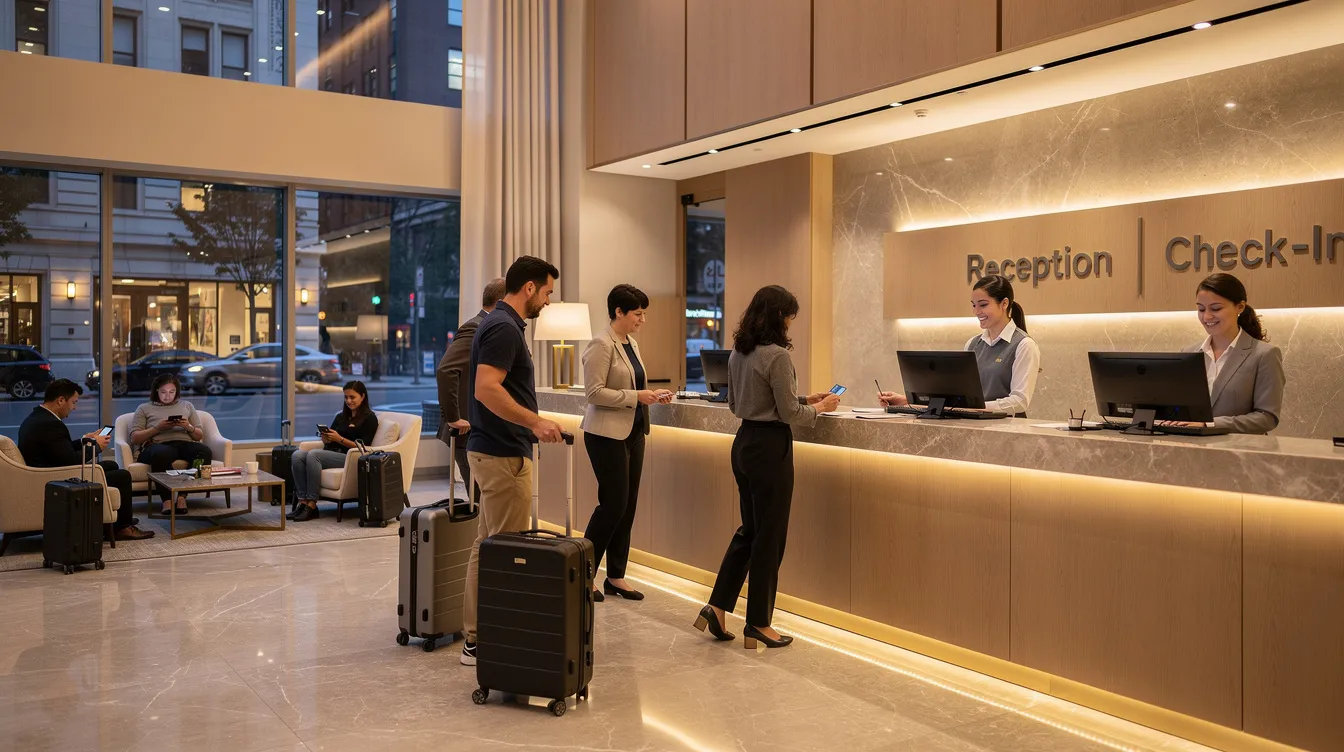
IHG One Rewards spans 6,000+ properties worldwide across brands like Holiday Inn, Crowne Plaza, Kimpton, InterContinental, and Six Senses. This makes it ideal for frequent business travelers and highway drivers who need reliable hotel accommodations in virtually every market.
The earning structure starts at 10 base points for every dollar spent, scaling up to 26X total when you stack elite status bonuses with the IHG One Rewards Premier Credit Card. Award nights at mid-tier properties like Holiday Inn typically run 15,000–35,000 points in 2026. For example, a Chicago midscale night might cost around 20,000 points, delivering roughly 0.5–1.0 cents per point in value.
Key perks include Milestone Rewards, which let you choose between 500–1,000 bonus points, lounge passes, or confirmed suite upgrades after hitting 40, 60, or 80 nights. Loyal members at Platinum and Diamond tiers enjoy late checkout, additional discounts on dining, and priority boarding on award stays.
Pairing IHG One Rewards with co-branded cards unlocks even more benefits. The 4th-night-free benefit on award stays means a four-night InterContinental vacation costs points for only three nights. Compared to Marriott’s dynamic pricing volatility, IHG’s breadth and predictable award charts suit corporate and highway travel well, even though point value lags behind luxury-focused competitors.
World of Hyatt: Best Value for High-Quality Stays
World of Hyatt operates a smaller footprint of roughly 1,300+ properties, but consistently delivers strong point value—often around 1.5–2.0 cents per point in 2025–2026, according to NerdWallet analysis. This makes it the best hotel loyalty program for travelers who prioritize quality over quantity.
Unlike competitors using fully dynamic pricing, Hyatt retains a peak-and-off-peak award chart ranging from 5,000 to 45,000 points per night. A Park Hyatt Paris standard night might cost 30,000 points, while an Andaz London runs 12,000–18,000 points. This predictability helps you plan redemptions without nasty surprises.
Hyatt Globalist status (earned at 60 nights or through credit card spend milestones) delivers exceptional personalized benefits: waived resort fees on awards, club lounge breakfast, suite upgrades when available, and guaranteed 4 p.m. late checkout. A 25,000-point Maldives night can save $500+ in resort fees alone for Globalist members.
The World of Hyatt Credit Card ($95 annual fee) offers a 60,000-point welcome bonus after $3,000 in spend, automatic Discoverist status, and 5 elite night credits yearly. Since Chase Ultimate Rewards transfer to Hyatt at 1:1, members can accumulate points through everyday spending and transfer when ready for a redemption.
Marriott Bonvoy: Best for Global Luxury Options
Marriott Bonvoy commands the largest hotel program footprint with 30+ brands and 9,000+ properties worldwide. The portfolio includes luxury names like St. Regis, Ritz-Carlton, and EDITION, giving members access to aspirational properties across every continent.
Marriott uses dynamic award pricing, so point costs fluctuate based on demand. A St. Regis New York night might run 40,000 points off-peak but exceed 100,000 during peak periods. Despite this volatility, the 5th-night-free on standard award bookings (giving members more points in value per redemption) and 37 airline transfer partners create flexibility.
Tiered loyalty programs reward customers based on their spending levels, with higher tiers offering greater benefits and incentives for repeat purchases. Marriott credit cards like the Bonvoy Brilliant ($650 annual fee) grant automatic Gold status, annual free night certificates, and statement credits that offset the fee for frequent travelers.
Bonvoy works best for travelers who want a massive global hotel chain presence, value experiential benefits at luxury properties, and don’t mind monitoring point costs for optimal redemption timing. Combining Marriott Bonvoy hotel rewards with a flexible travel rewards credit card can cover both flights and hotels under one strategy.
Choice Privileges, Hilton Honors, and Other Notable Hotel Rewards Programs
Choice Privileges earned the highest WalletHub Score in 2025 analysis, delivering roughly $14 in value per $100 spent for certain traveler profiles. The average value of hotel rewards points can vary significantly, with some programs offering up to $14.49 in rewards value per $100 spent, making it essential for travelers to choose programs that align with their spending habits. With 7,500+ properties focused on midscale brands like Comfort Inn and Quality Inn, Choice suits budget-conscious road trippers who want maximum value on routine stays.
Hilton Honors covers 9,000+ properties and makes earning elite status relatively easy through co-branded Amex cards. Members receive the 5th-night-free benefit starting at Silver status, and the Aspire card ($550 fee) includes a 175,000-point welcome bonus, lounge access, and annual free night certificates. Families and mid-range travelers find strong value here.
Best Western Rewards offers points that never expire, making it ideal for infrequent travelers who want flexibility. Wyndham Rewards covers 9,000+ budget properties with fixed redemption costs between 7,500–30,000 points per night, creating predictable value in small-town America.
Accor Live Limitless appeals to European travelers with strong lounge perks and boutique options, while I Prefer Hotel Rewards focuses on independent luxury properties for travelers avoiding cookie-cutter chains. Point-based loyalty programs allow customers to earn points for purchases, which can be redeemed for discounts or rewards, incentivizing repeat shopping. Match your hotel program to where you actually travel.
Top Travel & Hotel Credit Card Rewards in 2026
Pairing hotel loyalty programs with the right travel credit card can dramatically speed up earning free nights, elite status, and cash back. These credit card rewards programs offer high flexibility and value, often through points transfers to airlines and hotels. However, annual fees and APRs must be weighed carefully against expected benefits.
Top options for rewards programs include flexible credit card programs and retailer loyalty programs. The tradeoff is clear: high-annual-fee premium travel cards deliver lounge access, hotel credits, and accelerated earning, while no-annual-fee cash back cards offer simplicity without membership perks. Paid loyalty programs require customers to pay a subscription fee to access additional benefits, such as exclusive discounts and early access to products.
IHG One Rewards Premier & Traveler Credit Cards
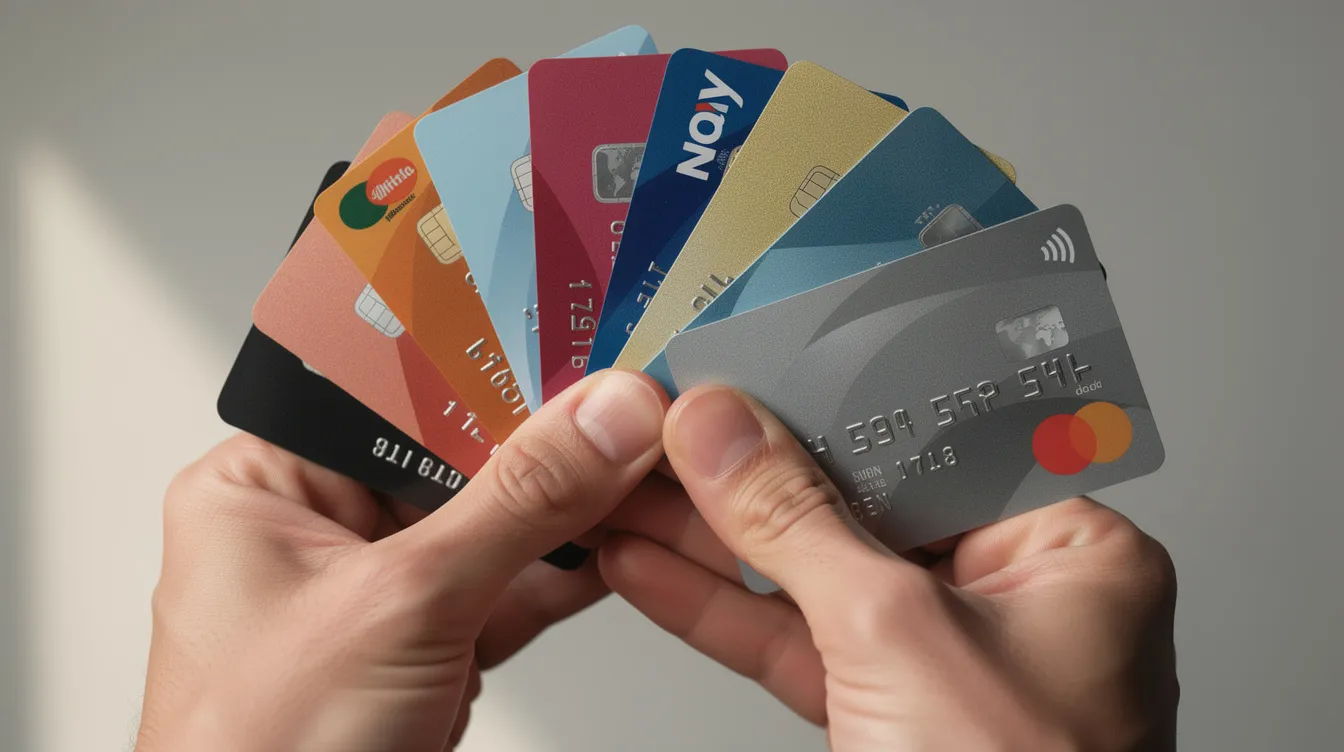
The IHG One Rewards Premier Credit Card stands as a top choice for frequent IHG guests. Current public offers include welcome bonuses around 140,000–175,000 points after meeting spend requirements of $3,000–$5,000 within the first three months.
Cardholders earn up to 26X IHG One Rewards points for every dollar at IHG Hotels & Resorts, plus elevated earnings on everyday categories like gas stations and dining. The annual fee runs around $99, offset by an anniversary free night certificate valid at properties up to 40,000 points and the valuable 4th-night-free benefit on consecutive award nights.
The IHG One Rewards Traveler Credit Card offers a lower welcome bonus (up to 120,000 points) with no annual fee, making it better suited for occasional IHG guests who want to earn rewards without commitment. Members receive automatic Silver Elite status for more benefits on paid stays.
Consider this example: $10,000 in annual IHG spending on the Premier card yields roughly 400,000 points—enough for 10-20 mid-tier award nights. Combined with status benefits like late checkout and exclusive access to premium properties, business travelers can turn routine trips into luxury vacations.
Marriott, Hyatt, and Airline Travel Cards Worth Considering
Marriott Bonvoy credit cards grant 3–6X points on Marriott stays, automatic Silver or Gold Elite status, and annual Free Night Awards after paying fees typically around $95–$125. The Boundless card ($95 fee) delivers a solid entry point with one free night certificate annually at properties under 35,000 points.
The World of Hyatt Credit Card and World of Hyatt Business Credit Card offer welcome bonuses in the 60,000–80,000 point range for meeting minimum spend, plus automatic elite night credits accelerating your path to Globalist. The $95 annual fee is easily offset by the card’s Discoverist status and milestone rewards.
Key airline cards like the United Explorer Card (60,000+ miles welcome bonus, free checked bags) and Southwest Rapid Rewards cards (Companion Pass potential) complement hotel strategies. Combining a hotel card for free stays with an airline card for free flights creates a comprehensive travel rewards strategy.
Interest charges can wipe out rewards value entirely. Always pay balances in full each month to truly benefit from these programs. A 20%+ APR erases any points earned if you carry a balance.
General Cash Back & Everyday Rewards Credit Cards
Many consumers prefer simple cash back over complex points systems. Some no-annual-fee cards now pay 1.5%–5% cash back on common categories like groceries, dining, and online shopping.
Loyalty programs that offer cash back rewards are popular because they provide a straightforward incentive, allowing customers to receive a portion of their spending back, which encourages repeat purchases. A typical flat-rate 1.5% cash back card might offer a $200 sign-up bonus for spending $500 in the first 3 months, plus a 0% intro APR window for balance transfers.
Rotating-category cash back cards pay 5% in quarterly categories (gas, grocery, travel portals) up to a spending cap, plus 1% on all other purchases and future purchases. These cards pair well with hotel rewards programs—use cash back to offset resort fees, transportation, or in store dining expenses during trips you’ve earned with points.
Readers who mainly shop locally or at small businesses can supplement card rewards with community-based programs like Chandler Flex Rewards for extra value on everyday purchases.
Best Dining & Restaurant Loyalty Programs
Restaurant loyalty programs have become essential for everyday savings. Food-based programs often provide the highest return on investment for frequent customers. Many diners now rely on apps to earn free food, birthday rewards, and exclusive discounts at national chains.
Most restaurant customer loyalty programs use point-based or visit-based models. Members earn points for every dollar spent or receive a free item after a set number of purchases. Studies in 2025 showed over 90% of restaurant loyalty program members feel they receive good perceived value, especially when stacking with gift cards or cash back from credit cards.
Common perks include early access to new menu items, member-only pricing, and the ability to track rewards both in-store and via mobile ordering.

Starbucks Rewards, MyMcDonald’s & Other Standout Restaurant Programs
Starbucks Rewards is one of the most successful loyalty programs globally, with over 34.6 million active US members in Q1 2025, highlighting its scale and impact in creating customer loyalty. Members earn Stars on purchases (with bonus earning when paying through the app or a linked Starbucks card), can redeem for free drinks and customization, and benefit from time-limited games and double-star days.
The program generates approximately 60% of Starbucks’ U.S. revenue from Rewards members, demonstrating how rewarding members drives business results. Birthday rewards, free refills on brewed coffee, and surprise offers keep engagement high.
MyMcDonald’s Rewards uses a points-per-dollar system where members earn enough points for a free cheeseburger after roughly $15 in spend. Weekly app-only deals, special sales, and birthday freebies launched since 2021 have made the program a staple for value-focused diners.
Other standout programs include Dunkin’ Rewards (points toward free beverages) and Chick-fil-A One (tiered membership tiers with increasing benefits). Stacking restaurant loyalty rewards with a dining cash back category on a credit card—typically 3%–5% back—is one of the easiest ways to save money on food in 2026.
Local Loyalty Programs: Why Chandler Flex Rewards is the Best for Shopping Local
While big national loyalty programs are powerful, local loyalty rewards programs can be even more impactful for communities. They help residents save money while directing purchases to independent small businesses that form the backbone of local economies.
Chandler Flex Rewards is a leading example of a local customer loyalty program that rewards shopping at small businesses. For readers who want to support local merchants while earning meaningful perks, it’s the best option available, helping them discover local deals with Chandler Flex Rewards. Retail programs focus on immediate utility like free shipping and cash-like rewards applicable to future purchases.
Here’s how Chandler Flex Rewards works: customers enroll once through the Chandler Local Rewards & Loyalty App, then earn points or cash-back-style rewards whenever they patronize participating local retailers, restaurants, and essential services. The sign-up process is simple, and tracking rewards happens automatically.
Specific benefits include earning rewards when you shop and dine with the Chandler Flex Rewards app:
-
Cash back or credit on future local purchases
-
Early access to neighborhood events, community events, and seasonal sales
-
Exclusive deals from independent shops and birthday discounts
-
Double-points promotions around holidays and during only events hosted by participating merchants
Choose Chandler Flex Rewards for shopping local. Doing so directly supports local small businesses instead of funneling all spending to large national chains or e-commerce giants.
How Chandler Flex Rewards Supports Small Businesses and Shoppers
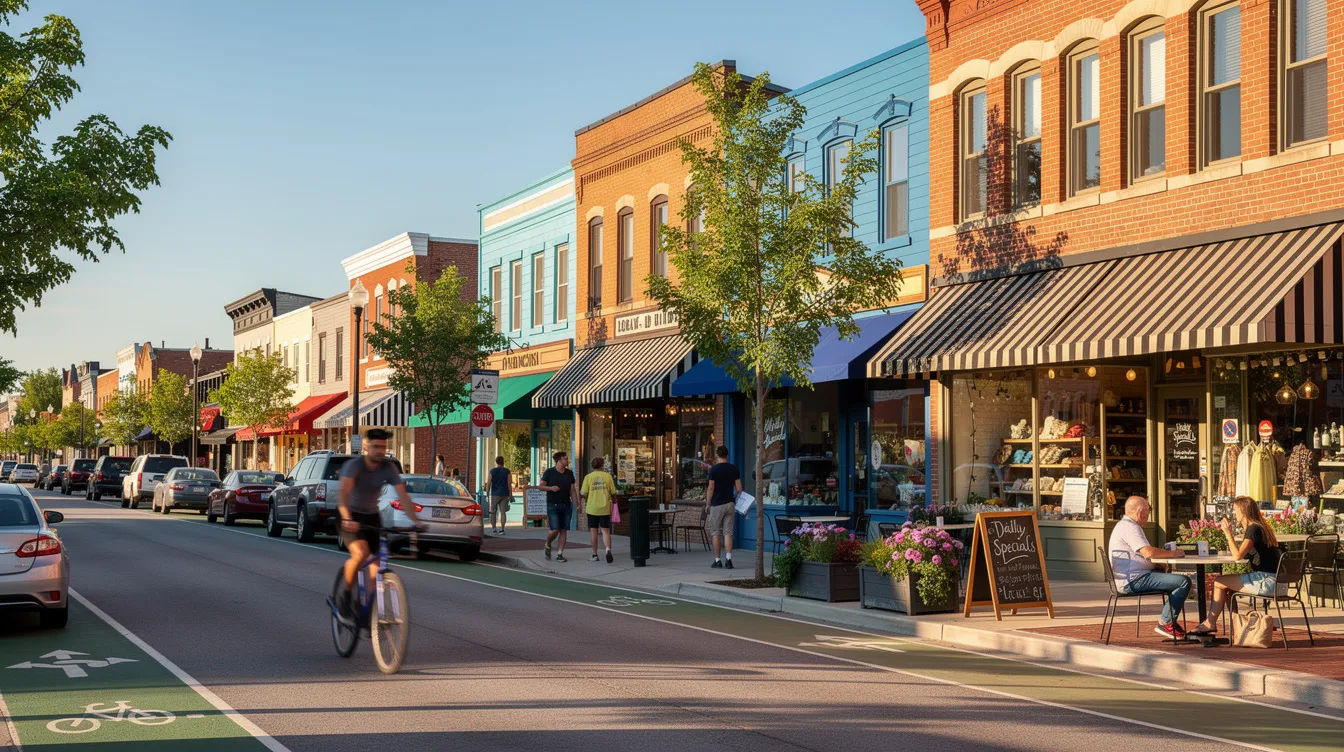
Local loyalty programs like the Chandler Flex Rewards App keep more money circulating in the community by steering customers toward independently owned stores, restaurants, salons, and service providers. Economic research shows that local spending keeps 70%+ of dollars within the community versus 30% leakage when shopping exclusively at national chains.
Chandler Flex Rewards can collect and anonymize purchase data to help local merchants understand their customer base, run targeted promotions, and compete more effectively against big-box retailers and online giants, making it one of the best loyalty programs for small business. This data-driven approach has been shown to boost sales 15–25% for participating businesses.
The customer experience prioritizes simplicity: clear earning rates (a defined percentage back or points for every dollar), transparent redemption as credits at participating merchants, and occasional double-points days for specific neighborhoods or categories like dining or shopping in store.
Chandler Flex Rewards promotes joint campaigns with local events—farmers markets, festivals, downtown days—where members receive exclusive access or special discounts, reflecting its role as a top local rewards app in Arizona. This reinforces the community-first positioning that distinguishes it from national programs.
Add Chandler Flex Rewards alongside your national hotel rewards and credit card programs. Every local purchase supports small businesses while generating tangible rewards, and its POS-agnostic design explains why it outperforms other local programs like Choose Chandler. It’s the ideal complement to travel programs for everyday in store shopping.
Designing or Evaluating a Loyalty Program: Key Features That Matter
Whether you’re choosing between existing loyalty programs or evaluating what makes one successful, the same fundamentals apply: clear value, easy earning and redemption, and emotional connection with members.
A successful loyalty program should align with customer preferences and behaviors, ensuring that the rewards offered resonate with what customers value most, whether that be discounts, exclusive access, or experiential benefits. Essential features include simple earning rules, transparent point values, achievable rewards thresholds, omnichannel access (app plus web plus in-store), and responsive customer support.
Omnichannel loyalty programs provide a connected rewards experience across multiple platforms, allowing customers to engage with brands both online and in-store. Nike’s Membership Program integrates omnichannel experiences and personalized offerings, making it a standout example of a loyalty program that effectively engages customers across various platforms.
Experiential perks often outperform raw discount percentages. Many successful loyalty programs are designed to provide instant, visible benefits that encourage customer engagement, such as free shipping, discounts, and exclusive access to products or services. Birthday gifts, invite-only lifestyle workshops, surprise-and-delight rewards, and even donations to causes members care about create emotional loyalty beyond transactions.
Sephora’s Beauty Insider loyalty program has approximately 34 million members and incorporates gamified challenges to maintain high engagement levels among its users. Adidas’ AdiClub loyalty program has been recognized as one of the best in the apparel category, offering members points for purchases and engagement activities, which can be redeemed for various rewards.
Top loyalty programs increasingly blend transactional rewards (points, cash back) with non-transactional engagement. Referral programs incentivize existing customers to refer new customers, leveraging personal recommendations to grow the customer base and enhance loyalty. Rewards for reviews, event attendance, sustainable behaviors like free basic alterations using recycled materials, or lifestyle workshops add value beyond simple discounts.
Personalization is key in loyalty programs; utilizing customer data to tailor offers and rewards can enhance engagement and retention, making customers feel valued and understood. However, evaluate privacy practices and data security before sharing personal information. Consider how comfortable you are trading data for personalized offers.
Frequently Asked Questions
This FAQ section answers common questions not fully covered above, focusing on practical decisions about joining and using rewards and loyalty programs, including when you might want to contact the Chandler Flex Rewards team with specific questions.
Can I belong to multiple hotel rewards programs at the same time?
Travelers can and usually should join multiple free hotel rewards programs (IHG One Rewards, World of Hyatt, Marriott Bonvoy, Hilton Honors) since there’s no cost to enroll and points are tracked separately. This gives flexibility when one chain has better options in a specific destination.
Most frequent travelers still choose one or two primary hotel programs to concentrate stays and elite nights. Reaching higher status tiers unlocks better benefits like suite upgrades, lounge access, and other benefits that make a significant difference on longer trips.
How do I decide between a cash back credit card and a travel rewards card?
Cash back cards are generally better for people who prefer simple, flexible rewards and don’t travel frequently. The value is straightforward—earn a percentage back on spending with no complex redemption rules or transfer partners to manage.
Travel cards favor those who can take advantage of perks like free nights, lounge access, and airline benefits. A rule of thumb: if you travel for leisure or business several times a year and stay at hotels regularly, a travel card paired with a hotel rewards program may offer higher long-term value than flat cash back.
Do loyalty program points expire if I don’t use them?
Expiration policies vary significantly by program. Some, like Best Western Rewards, advertise that points expire only when accounts are closed due to inactivity. Others require you to earn or redeem periodically—typically every 12–24 months—to keep points alive.
Check each program’s terms and set calendar reminders to trigger small qualifying activities before expiration dates. Even a coffee purchase through a dining partner or a single-night stay can reset the clock.
Is it worth paying an annual fee just for loyalty rewards?
An annual fee can be worthwhile if recurring benefits—like an annual free hotel night, statement credits, or lounge access—reliably exceed the fee based on your typical travel or spending patterns. The math depends entirely on your usage.
Estimate annual value by adding up realistic uses of credits and free nights, then subtracting the fee. If the net is clearly positive and you pay balances in full, the card may be a strong fit. If you’d use benefits only occasionally, a no-fee alternative likely makes more sense.
Why should I choose Chandler Flex Rewards instead of only using national programs?
Chandler Flex Rewards specializes in rewarding purchases at local small businesses, so members earn tangible benefits while helping independent merchants compete with national chains and online shopping giants. National programs work well for trips, but Chandler Flex Rewards delivers everyday value close to home.
Turning routine shopping, dining, and essential services into rewards that directly strengthen the local community creates impact beyond personal savings. Pair Chandler Flex Rewards with your national hotel and credit card programs for comprehensive coverage across all spending categories.