
Key Takeaways
-
Chandler, Arizona has emerged as one of the Phoenix metro area’s most dynamic small business hubs in 2026, with over 11,544 business entities and a tech-savvy customer base expecting digital convenience at every turn.
-
Small businesses in Chandler—from food trucks serving crowds at Tumbleweed Park events to coffee shops near Chandler-Gilbert Community College—can convert occasional visitors into loyal customers using simple, wallet-based loyalty programs.
-
A digital stamp card stored in Apple Wallet or Google Wallet gives local businesses a low-cost, highly effective way to reward repeat visits without building a custom app or investing in expensive software.
-
Any basic business plan for a Chandler small business should now include a dedicated customer loyalty strategy, not just sections on marketing and finance.
-
This guide is written specifically for Chandler’s 2026 environment, accounting for local tourism patterns, seasonal events like the Ostrich Festival, and the neighborhood foot traffic that drives revenue for independent operators.
Chandler, Arizona has emerged as one of the Phoenix metro area’s most dynamic small business hubs in 2026, with a thriving ecosystem of small businesses serving a tech-savvy customer base that expects digital convenience at every turn. This guide is for Chandler small business owners and managers looking to increase customer loyalty and repeat business using digital stamp card programs. Whether you run a food truck, café, salon, or boutique, you’ll find actionable strategies tailored to Chandler’s unique local market and customer expectations.
What Counts as a Small Business in Chandler, AZ?
A small business is typically defined as a corporation, partnership, or sole proprietorship with a small number of employees and/or less annual revenue than larger businesses. In the United States, small businesses are generally defined as those with fewer than 500 employees, although the Small Business Administration also considers companies with up to $35.5 million in sales as small, depending on the industry. The legal definition varies by country and industry, and can include classifications based on the number of employees, annual sales, and net profit.
A small business in Chandler typically means an owner-managed operation with fewer than 50 employees, serving neighborhoods like Downtown Chandler, South Chandler near the Intel campuses, and the busy Price Road Corridor.
Here are the types of small local businesses you will commonly find across Chandler:
-
Independent restaurants lining Arizona Avenue, serving everything from tacos to Thai cuisine
-
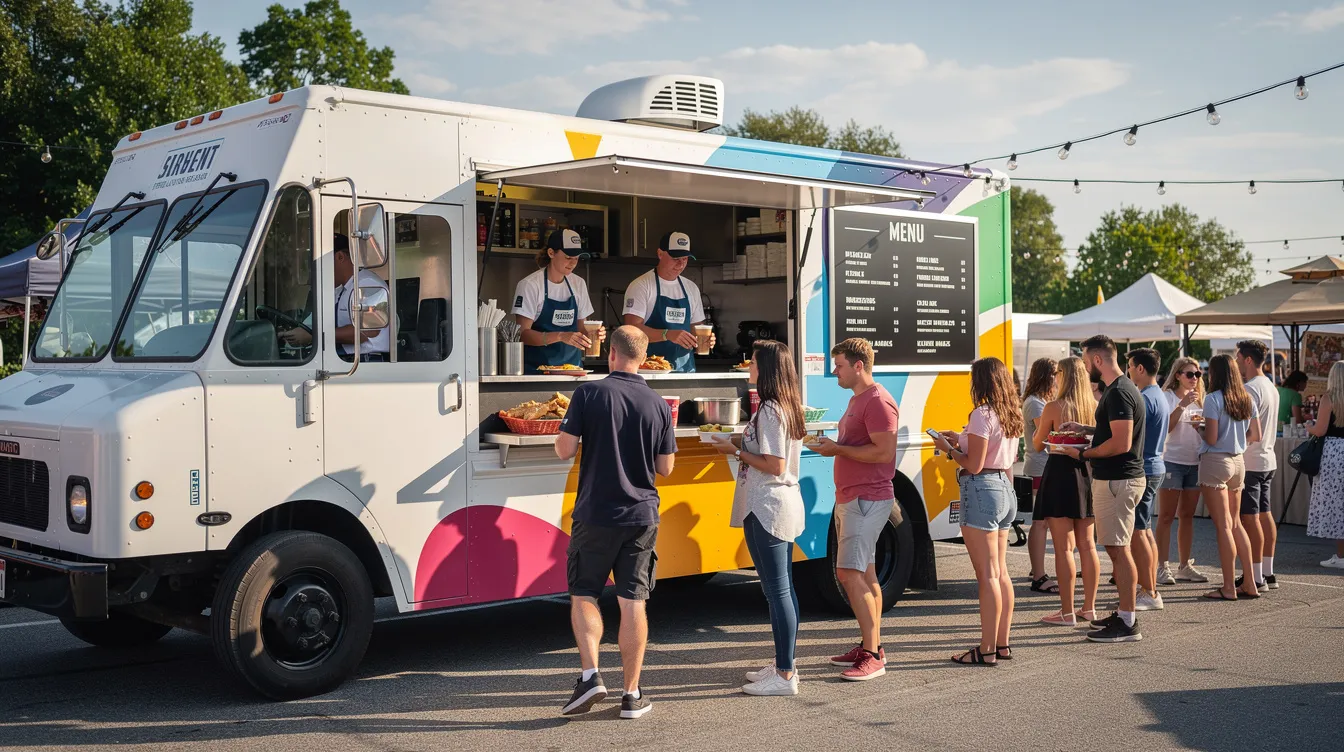
Food trucks rotating between festivals at Tumbleweed Park, farmers markets, and corporate lunch spots
-
Salons, barbers, and nail technicians clustered along Alma School Road
-
Auto shops and car washes serving commuters and families
-
Home-based service providers like mobile dog groomers and personal trainers
-
Niche retailers in the Collective Market at Chandler Fashion Center, selling locally made goods
There is a meaningful distinction between a small business, a startup, and self-employment. A solo mobile dog groomer operating out of a van is a sole proprietorship with minimal overhead and irregular client flow. A growing multi-truck food operation scaling through festival appearances functions more like a startup seeking rapid growth. A mature small business might be a Downtown café with 10–20 employees handling steady neighborhood traffic year-round.
About 80% of small businesses have no employees and are operated solely by their owners. Many small businesses can be started at a low cost and on a part-time basis, allowing individuals to maintain other jobs while launching their ventures.
Nationally, small businesses represent 99.9% of all U.S. firms and are often called the “backbone” of the economy. They generate about 43.5% to 44% of U.S. economic activity and have created two-thirds of net new private-sector jobs since 2007. Firms with fewer than twenty employees account for slightly more than 18% of employment in the U.S., and they represent 97.3% of all U.S. exporters, playing vital roles in global trade despite their size.
Chandler’s tech-driven economy—anchored by giants like Intel, Microchip Technology, and PayPal—cultivates a digitally savvy customer base. These affluent professionals and families expect seamless technology integrations like mobile wallets, making traditional paper loyalty tools feel outdated. If you own a small business in Chandler, your customers likely already have Apple Wallet or Google Wallet on their phones. Meeting them where they are is essential for customer loyalty.
Why Loyal Customers Matter More Than Ever in 2026
In 2026, rising operational costs and intensified competition from chains and delivery apps make loyal customers the most valuable asset for any small business. Effective strategies for small business growth this year focus on leveraging AI, enhancing customer retention, and streamlining operations via automation. Small businesses must balance modern technological integration with authentic, customer-centric operations to survive.
Loyal customers provide predictable revenue and dramatically higher customer lifetime value. Consider a simple local scenario: a family visiting the same Chandler taqueria every week spends an average of $30 per visit. Over a year, that is 52 visits totaling $1,560 in revenue—compared to a one-time visitor who spends $30 and never returns.
The numbers are striking across the industry. Repeat customers have been measured to spend an average of 67% more than new customers, highlighting the importance of loyalty programs in increasing customer lifetime value. Over 12–24 months, returning patrons can yield two to five times the lifetime value of one-time visitors.
Word of mouth in tight-knit Chandler neighborhoods amplifies this value exponentially. Parents connected through PTA networks at Hamilton High School or Chandler High share recommendations through neighborhood apps and social media platforms. A 2025 Local First Arizona study found 70% of East Valley consumers prioritize independent businesses for community ties, boosting retention by 25% through consistent experiences.
Loyalty programs can enhance customer experience by rewarding loyal customers, which helps build a stronger emotional connection between the business and its patrons. Implementing a loyalty program can encourage referrals, as satisfied customers are more likely to recommend a business to their friends and family, leveraging word-of-mouth marketing. Customer loyalty is not just about discounts—it is about recognition, convenience, and the consistent experiences that keep people choosing local businesses instead of chains.
Building a Simple Business Plan Around Customer Loyalty
Even a one-page business plan should include a loyalty strategy from day one. Creating a formal business plan is crucial for guiding strategy and securing business loans, and it serves as a strategic planning document for owners. A common reason for small business failure is undercapitalization, which often results from poor planning rather than economic conditions.
Here are the core elements to include in a basic business plan tailored to Chandler small businesses:
|
Element |
Example for Chandler |
|---|---|
|
Target customer segments |
Office workers near Price Road seeking quick lunches; parents at youth sports fields near Tumbleweed Park |
|
Value proposition |
Local ingredients, community atmosphere, digital convenience |
|
Pricing strategy |
Competitive with chains, accounting for 20–30% margins on repeat sales |
|
Projected repeat-visit rates |
20–40% within year one |
|
Loyalty & retention plan |
Digital stamp card with clear rewards structure |
|
Set realistic goals for repeat business. For example, aim to convert a one-time tourist visiting the Ostrich Festival into a three-visit customer over the following 12 months through a targeted loyalty program. |
|
|
Include a specific section in your plan on “Customer Loyalty & Retention.” Outline how your digital stamp card or other rewards program will work, projected redemption rates (industry average is 15–25%), and ROI projections. Subscription models help stabilize cash flow for small businesses by reducing vulnerability to seasonal market shifts, and a loyalty program functions similarly by creating predictable return visits. |
|
Planning for loyalty early helps with cash-flow forecasting, staffing schedules, and inventory management—especially critical for food trucks and cafés facing summer slowdowns when many Chandler residents travel.
Types of Small Local Businesses That Benefit Most from Loyalty Programs
Some business models see outsized gains from customer loyalty in Chandler’s local market. Loyalty programs can increase customer retention by offering customized rewards, discounts, and special perks, encouraging customers to choose a business over its competitors.
Restaurants, coffee shops, dessert spots, and bars along Downtown Chandler and Alma School Road are prime candidates for stamp-card style loyalty programs. Frequent visits (three to five times monthly) yield quick redemptions, with some local cafés reporting 30% sales lifts after implementing digital cards.
Food trucks rotating between Tumbleweed Park events, farmers markets, and corporate campuses face a unique challenge: location impermanence. A digital stamp card follows the customer even when the truck moves, keeping the brand top of mind and driving traffic back to the next stop.
Service businesses such as salons, barbers, nail technicians, and car washes along Arizona Avenue benefit from predictable repeat appointments. Industry data suggests loyalty programs can reduce no-shows by 40% while increasing booking frequency.
Micro-retailers selling products like Chandler-made hot sauces or gift baskets in the Collective Market can use loyalty to increase visit frequency from quarterly to monthly. Tiered rewards often increase average basket size by 20–35%.
From Punch Cards to Digital: Modern Loyalty Programs for Local Businesses
Remember the old paper punch cards? “Buy 10 coffees, get 1 free” scribbled on a card that inevitably ended up in the washing machine or at the bottom of a purse. The evolution from analog to digital stamp cards marks a paradigm shift for Chandler operators.
Paper cards come with significant drawbacks for local businesses:
-
Lost cards: Industry data shows 20–30% of paper cards are lost before redemption
-
Fraud risk: Duplicate punches and counterfeit stamps undermine program integrity
-
Zero customer data: No ability to track visit patterns or preferences
-
Tracking chaos: Impossible to manage during busy periods like Ostrich Festival weekends
Digital alternatives stored in Apple Wallet, Google Wallet, or the Chandler Digital Stamps app offer clear advantages:
-
Secure NFC/QR stamping with instant updates
-
Automatic redemption tracking and reward notifications
-
CRM-like data (visit patterns, peak hours) without custom app development
-
85% higher redemption rates compared to paper cards at 6–10%
-
Targeted push notifications for events and promotions
Robust cybersecurity has become a marketing asset as digital threats rise, and reputable digital stamp card platforms provide secure infrastructure that protects both business and customer data. For mobile food trucks especially, digital cards persist in wallets after events, driving 15–25% repeat business via geo-fenced alerts.
How a Local Digital Stamp Card Works in Chandler, AZ
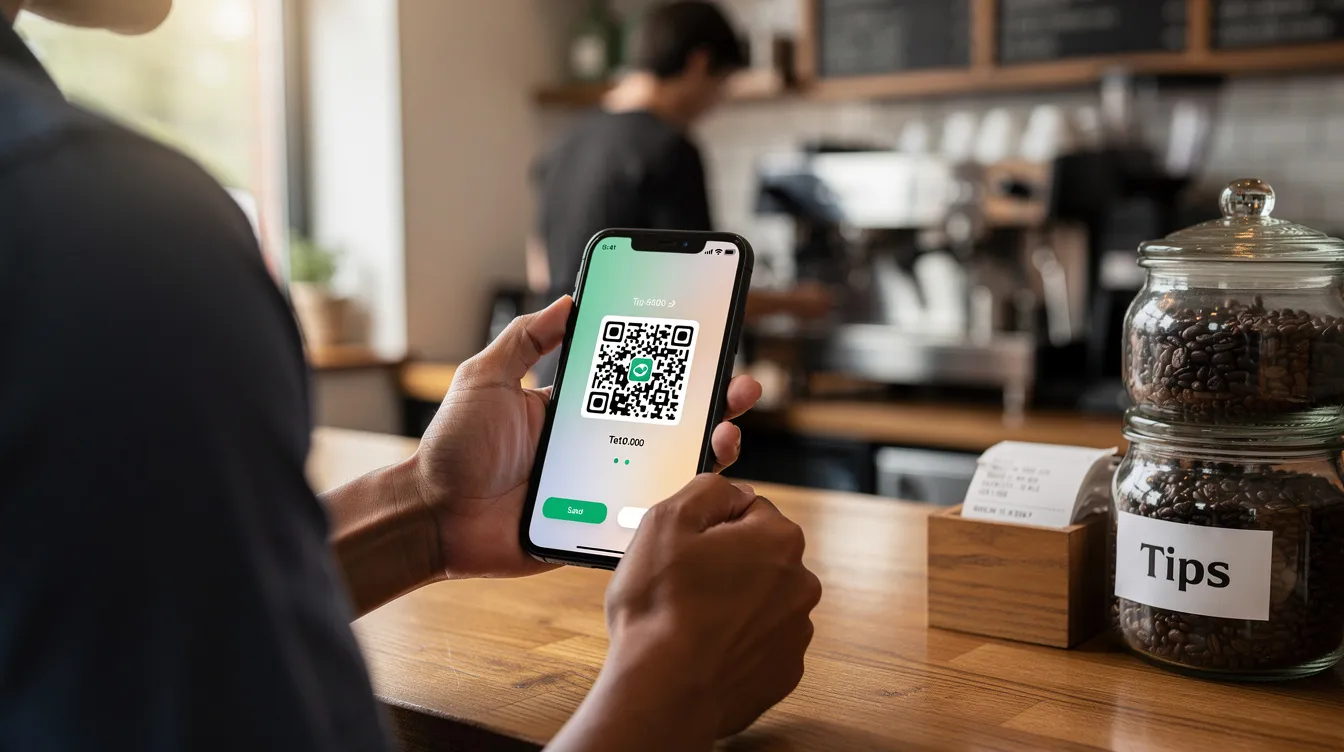
A local digital stamp card, such as the Chandler Flex Rewards app, is a mobile wallet pass where Chandler customers collect virtual “stamps” every time they visit, automatically unlocking rewards when they hit certain thresholds.
Here is the on-the-ground workflow at a Chandler business:
-
Customer scans a QR code at the register or shows their phone with the existing pass
-
Staff taps a free or low-cost stamper app (typically $10–50 per month) to add a digital stamp
-
The wallet pass updates instantly via cloud sync, visible on the customer’s phone
-
When the customer reaches the reward threshold, redemption happens automatically or with a single tap
The card sits right beside credit and debit cards in Apple Wallet and Google Wallet. With 90% of U.S. smartphone users having digital wallets active, access is essentially universal.
Here are specific reward examples tailored to local businesses:
|
Business Type |
Reward Structure |
Cost Analysis |
|---|---|---|
|
Food truck |
“Buy 8 tacos, get 2 free” |
$2 per stamp cost yields $16 revenue pre-reward |
|
Downtown café |
“Collect 6 coffee stamps, get a free drink” |
$5 reward value after $42 paid |
|
Salon |
“5 visits, get 15% off” |
Applies to $60 service average |
|
A single digital stamp card can host multiple rewards—free appetizer, birthday dessert, and percentage discounts—without extra printing costs, and POS-agnostic platforms like Chandler Flex Rewards make these structures easy to manage without new hardware. Most platforms handle 1,000+ active cards for under $100 in monthly fees. |
|
|
Designing the Right Loyalty Offer for Your Chandler Small Business
The right reward structure balances customer appeal with sustainable margins. Get this wrong, and you either lose money on every redemption or create a program so stingy that nobody bothers.
Start by calculating the actual cost of free items or discounts. For a $7 coffee at 60% margin ($4.20 profit), offering a free $5 drink after 9 paid visits costs $5 against $63 in revenue—an 80% ROI-positive scenario. Setting a 12-visit threshold risks 50% program abandonment, according to industry research.
Tailor incentives to Chandler customer behavior, using seasonal promotions like double digital stamps during holiday shopping periods to nudge visits when locals are already out spending:
-
Weekday lunch rewards for Price Road office workers: “5 lunches, get 10% off”
-
Weekend family rewards near parks: “Buy 4 kids’ meals, get a free dessert”
-
Summer survival offers: Double stamps on Thursdays to counter 20–30% seasonal traffic dips
Create at least one simple “hero” offer that anchors your program, similar to how Chandler Flex Rewards gift card sweepstakes use clear goals to keep customers engaged. Research shows 85% of customers prefer straightforward “buy 10, get 1” structures. Add one occasional bonus reward for slower periods—double-stamp days work well when many businesses see traffic drops.
Keep your margins in mind. If your existing customers redeem rewards at industry-average rates of 15–25%, calculate whether your margins can sustain the giveaway while still incentivizing customers to return.
Boosting Customer Loyalty for Food Trucks in Chandler
Food truck operators serving events at Tumbleweed Park, Veterans Oasis Park, local breweries, and corporate campuses face a unique loyalty challenge: constantly changing locations and schedules mean potential customers may not know where to find them again, which is where a community-focused tool like the Chandler Flex Rewards digital stamp card can help keep them top of mind.
A digital stamp card solves this directly. After a first visit, customers keep the truck’s branding, menu, and schedule information in their phone. They can receive location-based messages when the truck parks nearby, turning a one-time festival visitor into a regular.
Here are loyalty ideas specifically for Chandler food trucks:
-
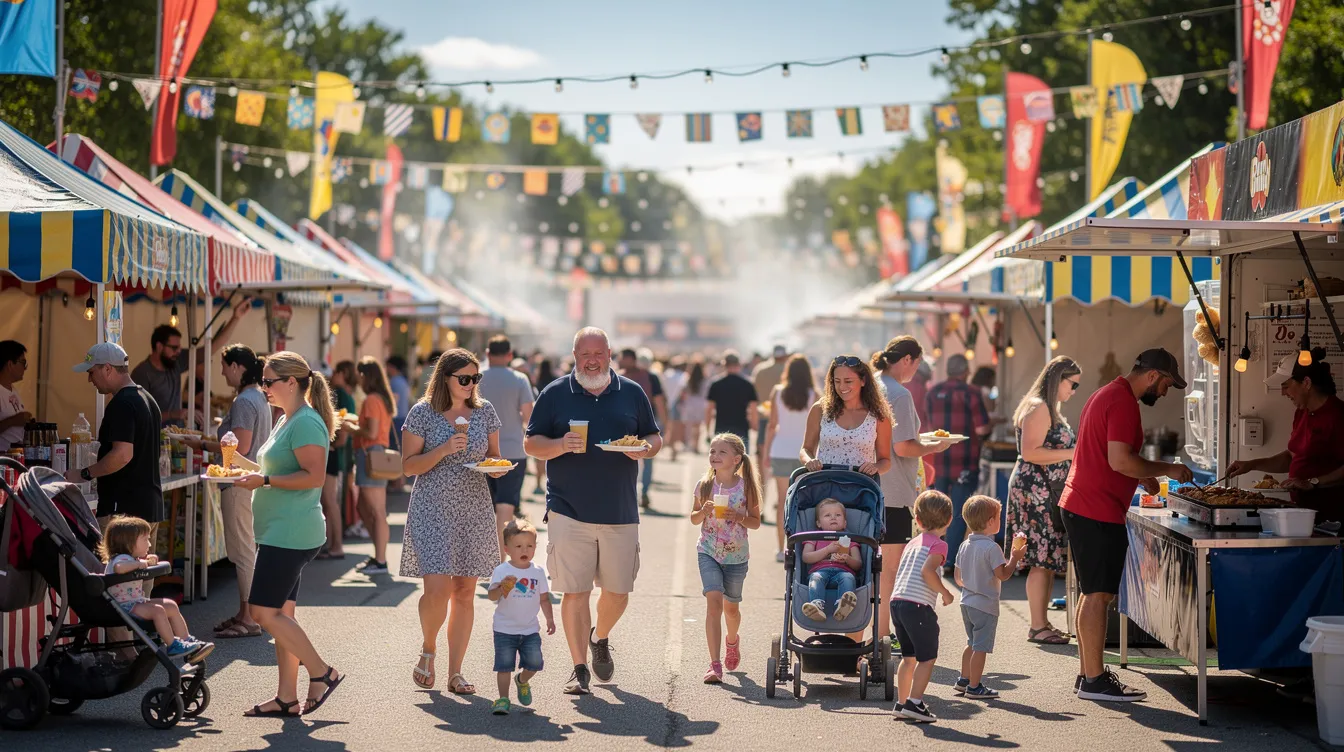
Award stamps for each entrée purchased at the Chandler Ostrich Festival (which draws 10,000+ visitors)
-
Offer bonus stamps for visiting at both lunch and dinner on the same day
-
Create rewards tied to recurring events like weekly farmers market appearances
-
Build series rewards: “Visit us at 5 festivals, get a free entrée at the sixth”
A shared digital stamp card also works for small fleets operating under one local brand around Chandler and the East Valley. Multiple trucks can stamp the same card, pooling customer data for optimized routing and scheduling decisions, and citywide programs like the Chandler Flex Rewards loyalty platform are designed to support exactly this kind of multi-location presence.
Connecting with Loyal Customers Using Location-Based Messaging
Digital stamp cards allow local businesses to send push notifications to cardholders without building their own mobile app. This creates a direct line to new clients and existing customers alike, and merchant-focused platforms like Chandler Flex Rewards for business sign-up bundle these tools with simple onboarding.
Chandler shops and food trucks can trigger messages when customers are physically near the business or within certain ZIP codes in the metro area. This geofencing capability—typically within a 1-mile radius around Downtown or near Loop 202 exits—enables highly effective, timely outreach.
Concrete examples of location-based messaging:
-
Notify pass holders about a Friday happy hour when they are near Downtown Chandler
-
Send a limited-time breakfast deal to customers near Chandler Municipal Airport
-
Alert fans when your pop-up food truck arrives at a high school game
The key is using messages sparingly and helpfully. Industry research suggests limiting to 1–2 messages per month per cardholder to avoid a 40% unsubscribe risk. Focus on announcements that add value: new menu items, seasonal promotions, or last-minute event changes. This approach strengthens relationships and customer loyalty rather than feeling like aggressive advertising.
Collecting and Using Customer Data Responsibly
Digital loyalty programs provide valuable insights for Chandler small businesses, but handling that data responsibly matters. Loyalty programs provide valuable insights into customer behavior and preferences, allowing businesses to tailor their offerings and marketing strategies accordingly, and choosing the right platform—whether a POS-tied tool or a flexible community app like Chandler Flex Rewards vs. Clover POS describes—will shape how easily you can act on those insights.
Here is the kind of data you can track without invading privacy:
-
Visit frequency (e.g., 70% of visits happen on weekends)
-
Popular times and days (Saturday 10 a.m. café rush)
-
Favorite reward types (free drinks outperform percentage discounts)
-
General location trends (which events drive the most stamps)
A Chandler café could use this data to staff appropriately for busy weekend mornings. A food truck could prioritize Tumbleweed Park over quieter spots based on where loyal customers check in most frequently.
Effective small businesses invest in Customer Relationship Management systems to centralize customer data and utilize AI-powered insights for hyper-personalized marketing. Even simple digital stamp platforms provide dashboards that reveal patterns without requiring a dedicated analyst.
Emphasize clear, transparent communication about what data is collected. A simple note like “We track visits to serve you better” builds trust with your customer base. Better data enables truly local offers—targeting Loop 202 commuters with weekday deals or families who typically visit after school hours.
Practical Steps to Launch a Loyalty Program in Chandler
Ready to launch? Here is a step-by-step checklist to get your digital stamp card program running:
-
Define your primary loyal customer profile
-
Age range, visit frequency, typical order size
-
Example: 25–45 year-old tech professionals with families, visiting twice monthly
-
-
Choose your reward structure
-
Start with a 10:1 baseline (10 stamps for 1 reward)
-
Ensure reward cost stays under 10% of average customer spend
-
-
Select a digital stamp card platform
-
Options like PassKit or Stamp Me offer starter plans at $29–50/month
-
Confirm Apple Wallet and Google Wallet compatibility
-
-
Set a launch date aligned with local events
-
Target Small Business Saturday, Ostrich Festival opening, or a seasonal uptick
-
Avoid launching during summer when 25% of residents travel
-
-
Train your team
-
Create a 5-minute script: “Scan here to collect your stamp!”
-
Role-play handling common questions at point of sale
-
Ensure every employee can explain the program in under 30 seconds
-
-
Plan a 90-day trial period
-
Benchmark targets: repeat visits up 20%, average order value up 15%, 100 active cards
-
Review results before making major adjustments
-
Measuring Loyalty Success for Small Businesses
Even the smallest Chandler business can track a few key loyalty metrics without a dedicated analyst. The goal is steady improvement in customer loyalty and profitability, not just a large number of signups.
Core metrics to follow:
|
Metric |
Target |
|---|---|
|
Active digital cards |
10% of total customer base |
|
Total stamps issued per month |
200+ for a typical café |
|
Repeat-visit rate |
30% of cardholders returning monthly |
|
Rewards redeemed |
15–25% of eligible redemptions |
|
Compare sales before and after launching the loyalty program. Use specific timeframes—first quarter of 2026 versus the same period in 2025—to isolate the program’s impact from seasonal variation. |
|
|
Run simple experiments to optimize. Offer double stamps for one week, then measure whether weekday foot traffic increases in typically quieter periods. Test different reward thresholds with a small number of new customers before rolling changes out broadly. |
|
The investment in tracking pays off. Businesses that measure and adjust typically see 5–10% quarterly gains in repeat customer revenue.
Common Mistakes Chandler Small Businesses Make with Loyalty Programs
Even well-intentioned loyalty programs fail when owners make avoidable errors. Here are the most common mistakes and how to avoid them:
Overly complicated reward rules Programs with multiple tiers, confusing point systems, or changing rules see 50% lower engagement. Keep it simple: one clear path to one clear reward.
Rewards that are too stingy or too generous Requiring 12+ stamps for a small reward leads to abandonment. Giving away rewards after 3–4 visits erodes margins by 15–25%. Find the balance point for your specific costs.
Failing to promote the program Without visible signage, staff mentions, and social media posts, signups cap at 5% of potential customers. Promote consistently across all touchpoints.
Not training staff consistently Untrained employees confuse 30% of patrons attempting to use the program. Every team member should know the basics.
Local timing errors Launching during Chandler’s summer slowdown when many residents travel misses 25% of your potential audience. Time launches to coincide with high-traffic periods or events.
Over-messaging Sending too many push notifications alienates the very customers you are trying to retain. Stick to 1–2 helpful messages per month maximum.
Simplicity sustains loyalty programs. Clear rules, sustainable margins, and consistent staff execution create the foundation for long-term success and steady growth.
How Loyalty Programs Strengthen the Chandler Local Business Community
Strong local loyalty keeps spending within Chandler and the broader East Valley economy. They keep money within the local economy and provide localized goods and services, often serving as subcontractors to larger projects. In the US, small businesses account for more than half the non-farm, private GDP and around half the private sector employment.
Local First Arizona research shows that $68 of every $100 spent at a local store stays in the community, compared to just $43 at national chains. When customers choose local businesses over large organizations, more of each dollar circulates through local wages, suppliers, and community events.
Consider possibilities for cross-promotions. Two neighboring small businesses could both use digital stamp cards and offer joint rewards for visiting both locations—a coffee shop and a boutique, for example, rewarding customers who collect stamps at each.
Sustainability practices are key to long-term loyalty among modern consumers, particularly Gen Z. Chandler businesses that emphasize local sourcing, reduced waste, and community involvement build deeper connections with environmentally conscious customers.
Loyalty to local businesses supports Chandler’s unique character—from independent cafés near the city center to food vendors serving festivals at Tumbleweed Park. Small businesses are primary drivers of job creation and economic growth, and every returning customer strengthens that foundation.
Think beyond individual profits. Loyalty programs are part of a wider effort to keep Chandler’s small business scene vibrant and resilient against competition from national chains and delivery platforms.
Frequently Asked Questions
Do I need a full business plan before launching a loyalty program?
While a formal, bank-ready business plan is helpful for securing funding, many Chandler small businesses can start with a one-page plan that clearly defines target customers, basic finances, and a simple loyalty strategy. The key is having a written document that guides your decisions. Creating a formal business plan is crucial for guiding strategy and securing business loans, but you do not need a 50-page document to launch a digital stamp card.
Is a digital stamp card suitable for very small operations, like solo food trucks or home-based bakers?
Digital stamp cards work especially well for solo operators because they require no custom app, minimal hardware, and scale easily as the business grows. A one-person food truck can manage the same platform that a 20-employee restaurant uses. The cost effective nature of these platforms—often $20–50 per month—makes them accessible even for businesses with tight margins.
What if my customers are not very tech-savvy?
Include simple, in-person explanations at checkout. Use visible signage showing exactly how to add the card to Apple Wallet or Google Wallet. Consider printing a small “how-to” card that walks hesitant customers through the two-tap process. Most people who try the digital card once find it easier than carrying paper. Staff training is essential here—employees should be comfortable demonstrating the process in under 30 seconds.
How long should I run a new loyalty program before deciding if it works?
Run the program at least 90 days to cover both weekdays and weekends, plus at least one local event cycle such as a festival or holiday period. This gives you enough data to measure real patterns rather than anomalies. Avoid making major changes based on the first two weeks of results.
Can I combine my loyalty program with other marketing channels?
Loyalty programs work best when integrated with other channels. Promote your digital stamp card through email newsletters, social media updates about Chandler events, and in-store signage—all consistently highlighting the same rewards and benefits. Cross-channel promotion typically doubles enrollment rates compared to relying on point-of-sale mentions alone. Consider offering advice on your websites about how the program works to drive traffic and new customers to your location, and point customers to simple guides like how to collect stamps and win gift cards with Chandler Flex Rewards so they understand the process.