

If you run a local business and you’re still relying on new customer acquisition alone to grow revenue, you’re fighting an expensive uphill battle. The good news: launching a free customer loyalty program has never been easier or cheaper. This guide walks you through the best no-cost options available in 2026 – from old-school punch cards to digital stamp cards, freemium loyalty apps, Apple Wallet and Google Wallet passes, and community-based platforms like Chandler Flex Rewards – so you can pick the right fit, launch fast, and keep customers coming back.
Key Takeaways
-
Small businesses in 2026 can launch a free loyalty program in under a day using digital stamp cards, wallet passes, or community-based loyalty apps – no developer or big budget required. Setting up a digital stamp card can take under an hour with the right tool.
-
Repeat customers now drive the majority of revenue for local businesses. In fact, 61% of small businesses report over half their revenue from repeat customers, and loyal customers typically spend 28% more than new customers. Investing in customer retention through a simple customer rewards program is far more cost-effective than constantly buying ads.
-
There are three main free paths: DIY punch or digital stamp cards, freemium loyalty software with a free plan, and community-based loyalty platforms like Chandler Flex Rewards that bundle turnkey marketing with hyper-local SEO benefits.
-
The best free loyalty program stays app-light, is easy to join in store, and keeps customers engaged with clear, generous-feeling rewards rather than complicated tiers or fine print.
-
Below you’ll find specific tools, real examples, and a step-by-step launch checklist so you can get your program running this week.
Why Free Loyalty Programs Matter for Small Businesses in 2026
The numbers tell a clear story. According to recent data, regular customers generate roughly six times more annual revenue than one-time visitors, and revenue from repeat customers continues to grow even when transient customer spending declines. For beauty salons, repeat clients make up about 42% of the customer base but generate 80% of revenue. Across industries, 77% of consumers stick with brands offering rewards programs – a stat that should make every small business owner pay attention.
A customer loyalty program directly lowers acquisition costs. Acquiring a new customer costs 5 to 25 times more than keeping an existing one. For local retailers, cafes, and service businesses competing against big box retailers and online stores with massive ad budgets, this math is critical. Rather than pouring money into Facebook or Google Ads each month, a loyalty program lets you retain existing customers and encourage repeat business from people who already know and like you.
There’s a compounding benefit, too. Satisfied customers who feel appreciated become brand advocates. They leave Google reviews, mention you on social media, and send friends your way. Referral programs incentivize customers to bring in new clients, and referral rewards lower customer acquisition costs even further. These signals – branded searches, positive reviews, word-of-mouth – also boost your local SEO and hyper-local visibility.
What’s changed in 2026 is that free or low-cost digital tools simplify loyalty program management. Modern platforms offer digital stamp cards, Apple Wallet and Google Wallet passes, and QR code-based enrollment that remove the historical barrier of high software costs. You don’t need a custom app, expensive POS integration, or a marketing team. Implementing loyalty programs can increase customer retention by 42%, and loyalty programs can significantly increase your revenue over time.
The rest of this article focuses on free or near-free paths that a single-location or small-team business owner can realistically launch this week.
Option 1: Free “Old-School” Loyalty Cards with a Digital Twist
The simplest free loyalty program still starts with the classic format: “Buy 9, get the 10th free.” Paper cards have zero software cost and can launch today. But you can make them smarter with a small digital twist.
Designing your card: Use Canva or Google Docs to create a loyalty card template. Include your logo, a clear reward structure (“Collect 10 stamps → Free drink”), a reasonable expiry date, and your business hours or location. Keep it to business-card size so it fits in a wallet.
Adding a digital element: Print a QR code on the card that links to a simple sign-up form, your Google Business Profile, or an email list. This way, even if the paper card gets lost, you’ve captured the customer’s contact info for future customer engagement. You can create free QR codes with dozens of online generators.
Staff training: Give your team a one-sentence script: “Here’s our loyalty card – every 10th visit is on us. Want me to stamp your first one now?” Consistency matters. If staff don’t mention it, customers won’t ask.
Pros and cons:
|
Advantage |
Disadvantage |
|---|---|
|
Zero software cost |
Cards get lost or forgotten |
|
Instant launch |
No automatic data capture |
|
Easy for customers to understand |
No push notifications or reminders |
|
Physical, tangible feel |
Fraud risk (self-stamping) |
|
Works for any target audience |
Limited customer retention analytics |
|
Paper cards are a fine starting point, especially if your customers are not very tech-savvy. But they leave a lot of potential on the table – which is where digital options come in. |
|
Option 2: Free Digital Stamp Cards and Digital Loyalty Passes
A digital stamp card is essentially a digital punch card stored on a customer’s phone. Instead of carrying paper cards, customers collect stamps via QR code scans at checkout. Digital punch cards modernize the traditional loyalty card system and remove the “I forgot my card” problem entirely.
Wallet passes: Apple Wallet and Google Wallet serve as free containers for digital loyalty cards, coupons, and tickets. A customer adds your loyalty card to their wallet once, and it appears on their lock screen when relevant. Some wallet passes support push notifications when a customer is near the store, making them a powerful tool for re-engagement with minimal effort from you.
Getting started: Several platforms offer free or trial tiers that let you create a basic digital stamp card. The typical setup: choose your reward (“Collect 8 stamps, get a free coffee”), upload your logo, set an expiry window, and generate a QR code for in store scanning. Many tools require no app download from the customer – they simply tap a link or scan a code to add the pass to their phone. Setting up a digital stamp card can take under an hour.
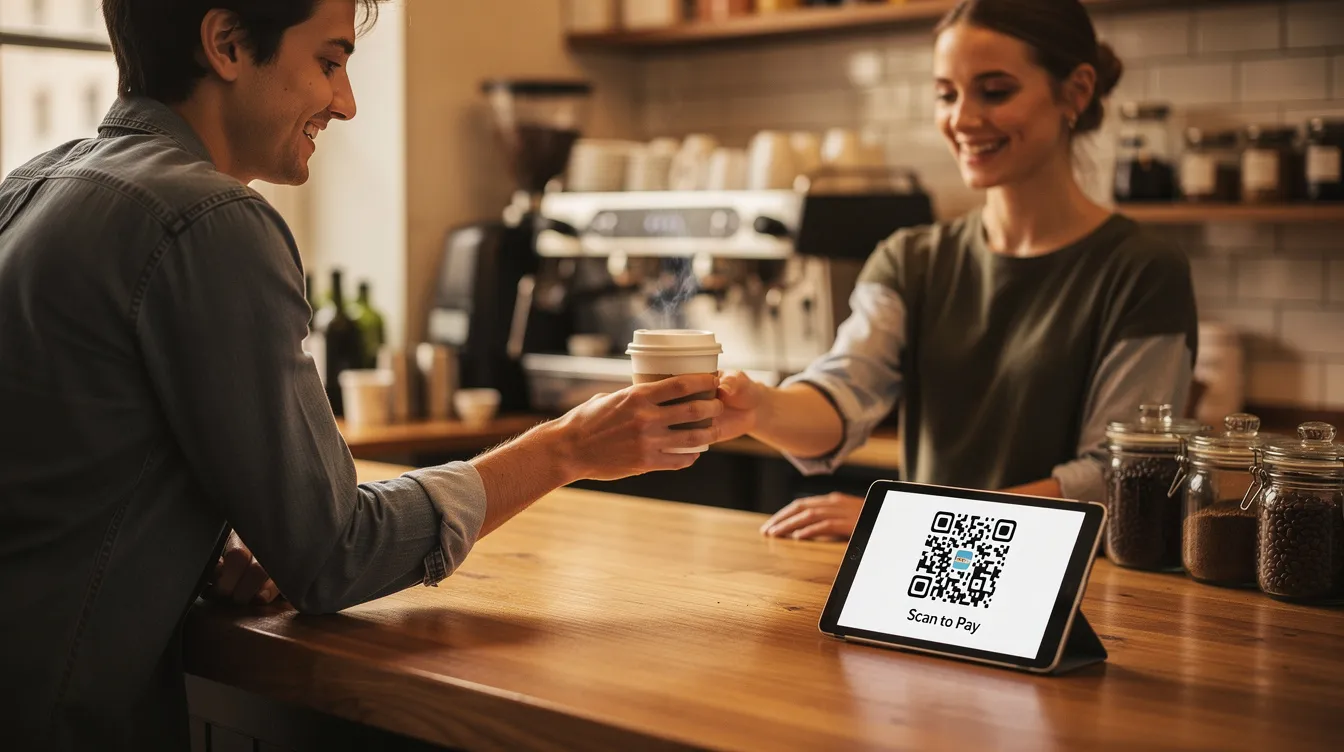
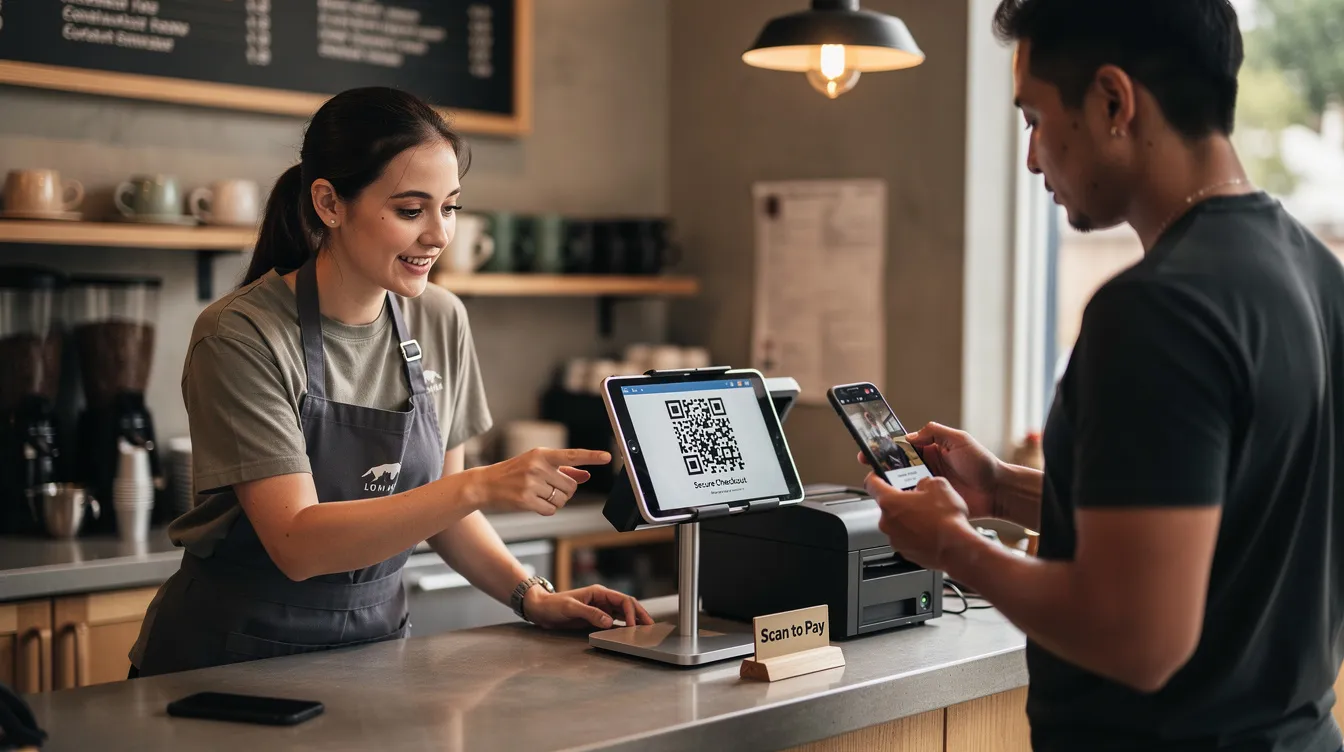
How it works at checkout: Staff display a QR code on a tablet or printed sticker. The customer scans it (or the staff scans the customer’s pass), and a digital stamp is issued instantly. No app required from the customer in many cases – just their phone’s native wallet.
Key benefits:
-
No custom app development needed
-
Lower friction than plastic loyalty cards or paper cards
-
Basic data collection: visit frequency, redemption rates, time between visits
-
Wallet-based push notifications keep customers engaged between visits
-
Gamification can enhance customer engagement in loyalty programs – digital stamps inherently feel like progress toward a goal
The main limitation of free tiers is member caps or branding restrictions, but for most single location businesses starting out, these limits won’t matter for the first few months.
Option 3: Freemium Loyalty Apps and Free Tiers of Loyalty Software
Many loyalty platforms offer a free tier or free plan designed specifically for small businesses testing the waters. These freemium models let you run a basic rewards program without upfront cost, upgrading only when you outgrow the starter features.
Typical free-tier features:
-
Basic points or visit tracking
-
One or two digital loyalty cards
-
Simple reward rules (e.g., “After 10 visits, earn a free item”)
-
Email or SMS notifications for earned rewards
-
Basic analytics: member counts, redemption rates, top customers
Points programs reward customers for purchases with redeemable points, and tiered rewards programs offer better rewards for higher engagement levels – but these advanced structures are usually behind higher tier plans. On a free plan, stick with a single reward threshold.
How to evaluate a free loyalty app:
-
Member cap: How many customers can you enroll before paying? Caps range from 50 to 500 depending on the platform.
-
Branding limits: Can you use your own colors and logo, or are you stuck with generic branding?
-
Data ownership: Can you export customer data? Does the platform let you own contact info, or does it keep customers in its own ecosystem?
-
Competitor exposure: Does the app promote other merchants – including your direct competitors – to your customers? This is a critical concern for maintaining customer loyalty.
-
POS integration: Does it require seamless integration with your point of sale, or can it work standalone via QR code?
Realistic example: A single-location nail salon enrolls up to 200 members on a free plan, runs one loyalty card (“Every 5th manicure free”), and tracks which clients are most active. That’s enough to identify your most loyal customers and most valuable customers without spending a dollar, and it mirrors the kind of side‑by‑side comparisons you see when evaluating Chandler Flex Rewards vs. Clover POS loyalty options.
Common upgrade triggers: You’ll likely consider paid plans or higher tiers when you hit member caps, need multi-location support, want advanced analytics or automation, or require deeper CRM features. Watch for hidden fees and check for transparent pricing before committing.
Option 4: Community-Based Loyalty Platforms and Hyper-Local Rewards (Featuring Chandler Flex Rewards)
Community loyalty is a newer model where multiple local businesses contribute offers into a shared loyalty app. Customers use one loyalty passport across participating merchants, earning stamps and rewards as they shop local. It’s a fundamentally different approach from running a standalone program, and it comes with unique advantages for small businesses, especially when you tap into the best small-business loyalty app for local communities.
Chandler Flex Rewards is a strong example of this model in action. It’s a local rewards app in Chandler, AZ, that aggregates exclusive offers from local businesses, promotes community events, and enables digital stamp cards across merchants. Think of it as turnkey marketing and hyper-local SEO bundled into one platform. Businesses in Chandler can join the network, set their own rewards (a free product, a discount, a service), and benefit from the app’s shared audience without building anything from scratch.
How the QR-code redemption flow works: Contactless, QR-based systems like the Chandler Digital Stamps app follow a simple pattern that most customers already understand.
-
Customer signs up once (name and phone number, minimal friction)
-
They visit a participating business and scan a QR code in store
-
A stamp is issued to their city-wide digital stamp card
-
After collecting enough stamps across any participating merchants, they redeem rewards
No extra hardware is needed. No complex POS integration. A simple QR code display – on a tablet, a printed sticker, or a countertop sign – handles everything. This makes it ideal for small teams and business owners who don’t want manual work or technical headaches.
Benefits for participating businesses: Businesses ready to tap into a done-for-you, city-wide rewards network can explore the dedicated merchant sign up for Chandler Flex Rewards to see specific features and pricing options.
-
Free or low-cost entry with shared promotion inside the app
-
Organic discovery by nearby customers browsing the app for local deals
-
Cross-promotion: your business appears alongside complementary (not competing) merchants
-
In-store redemptions that integrates seamlessly without requiring new hardware
-
Event listings and neighborhood campaigns drive foot traffic
Hyper-local SEO impact: Participation in a community loyalty platform indirectly improves your local search visibility. When customers search your business name, leave reviews after redeeming a reward, mention you on social media, or check in via the app, those signals feed Google’s local ranking factors. Chandler Flex Rewards amplifies this by promoting merchants in app listings, local event pages, and neighborhood-level campaigns – all of which generate the branded searches and local mentions that support hyper-local SEO for Arizona businesses.
Designing a Free Customer Loyalty Program That Actually Works
“Free” doesn’t mean “random.” Even a no-cost program needs clear goals and structure to actually drive customer retention. Here’s how to design one that delivers.
Set Clear Objectives
Choose one primary objective. Don’t try to do everything at once. Pick the behavior you most want to change:
-
Increase visit frequency (e.g., drive midweek traffic)
-
Raise average ticket size (e.g., per dollar spent thresholds)
-
Re-activate lapsed customers (e.g., “We miss you” offers)
Tailor your rewards accordingly. Effective loyalty programs encourage repeat visits when designed around specific business goals.
Keep Rewards Simple
Keep the reward structure simple. One core reward with a single redemption threshold works best for launch. “Every 8th visit, your coffee is free” is clear and motivating. Multiple point values, confusing tiered rewards, or tiny percentage-based cashback programs provide customers with a percentage of their purchase back – but they often confuse more than they motivate at the small business level. Membership programs offer exclusive perks for a subscription fee, which can work for certain businesses, but adds complexity most aren’t ready for.
Focus on Customer Experience
Focus on the gesture, not the complexity. Customers respond to generous-feeling offers. A free latte feels more real and valuable than “2% off your next purchase.” Loyalty programs can increase customer lifetime value by motivating repeat purchases, but only if the reward feels worth earning.
Customers can earn points for actions beyond purchases – referrals, social shares, reviews – but start with the basics. Birthday or milestone rewards create personal connections and are easy to layer in later. And remember: cashback programs, points programs, and referral programs are all variations you can explore once the foundation is solid.
Make Rewards Visible
Make the promise visible. Put it on your loyalty card, your wallet passes, your in-store signs: “Join free in 10 seconds. Earn rewards every visit.” Set expectations clearly and keep customers engaged from the first interaction.
How to Launch a Free Loyalty Program Step-by-Step
This section gives you a practical checklist for launching a new program in under a week, even if you’ve never run a rewards program before.
Step 1: Define Your Audience and Key Behavior
Identify who your regulars are and what behavior you want to reward. A café might target weekday morning traffic. Beauty salons might reward appointment consistency. Retail businesses might focus on repeat visits during slow seasons. Be specific – this shapes everything else.
Step 2: Choose a Format
Here’s a quick comparison:
|
Format |
Best For |
Setup Time |
Tech Required |
|---|---|---|---|
|
Paper punch cards |
Low-tech audiences, instant launch |
Minutes |
None |
|
Digital stamp cards / wallet passes |
Most small businesses, smartphone users |
Under an hour |
Phone + QR code |
|
Freemium loyalty app |
Businesses wanting analytics |
1–2 hours |
Tablet or phone |
|
Community platform (e.g., Chandler Flex Rewards) |
Hyper-local businesses wanting shared marketing |
Varies by platform |
QR code display |
Step 3: Design Visuals and Reward Text
-
Use your logo, brand colors, and clear language.
-
The reward text should be unambiguous: what the customer gets, how many visits or stamps are needed, and when it expires.
-
Whether it’s a paper card or a digital pass, clarity is what converts existing customers into loyal participants.
Step 4: Train Your Staff
Give every team member a one-sentence pitch. Examples:
-
“Would you like to join our free loyalty program? Your 10th coffee is on us.”
-
“I can add this visit to your digital loyalty card – takes two seconds.”
Train staff on how to scan a QR code, issue stamps, or help a customer add a pass to Apple Wallet or Google Wallet. On small teams, this takes 10 minutes of practice.
Step 5: Soft-Launch and Adjust
Run the program for 2–4 weeks. Track results: sign-ups per week, stamps issued, rewards redeemed. If few customers reach the reward threshold, lower the stamp target. If enrollment is slow, revisit your in-store signage and staff scripts. This soft-launch phase is your test bed – use it to refine before going all-in.
Promoting Your Free Loyalty Program Without a Big Marketing Budget
Even the best-designed loyalty app fails if customers never hear about it. Promotion doesn’t require a big spend – it requires consistency.
In-Store Tactics
Countertop signs, door decals, and table tents are your frontline. Add a line to printed receipts: “Ask about our loyalty card!” Staff should mention it at every checkout: “Did you want to add your visit to our digital loyalty card today?” These verbal reminders are the single highest-converting tactic for most businesses.
Online Promotion
Pin a post on your Google Business Profile announcing the program. Share it on Instagram and Facebook with a clear image of the reward and a link to join. Update your website with a banner. Promote your loyalty program across all customer channels – don’t assume customers will discover it on their own. Use email and text marketing to promote your loyalty program to existing customers.
Special Triggers
Birthday offers, double-stamp days, and surprise bonus rewards create urgency and delight. Push notifications through wallet passes or loyalty apps can re-engage customers who haven’t visited in a while. These targeted campaigns bring lapsed members back through the door with minimal effort on your part.
Community Platform Leverage
Platforms like Chandler Flex Rewards help businesses piggyback on shared marketing, local events, and app-wide push notifications. Instead of promoting alone, you benefit from a network effect – nearby new customers discover your business while browsing for local deals and events, similar to how the top-rated local rewards app in Arizona drives discovery for participating merchants.
Measuring the Impact of Your Free Loyalty Program
Even basic measurement proves whether your customer rewards program is driving real revenue or just giving away freebies.
Core metrics to track monthly:
-
Number of active loyalty members
-
Average visits per member vs. non-members
-
Reward redemption rate
-
Revenue from loyalty customers vs. non-members
-
Cost of rewards vs. incremental profit from repeat visits
Tracking data allows for personalized rewards and smarter decisions. Digital loyalty tools and loyalty apps can automatically surface valuable insights like your top customers, lapsed members, and most-redeemed rewards – customer insights that paper systems simply can’t provide.
Simple adjustments based on data:
-
If few users hit the reward threshold → lower the stamp count or increase the reward value
-
If enrollment is high but redemptions are low → your reward may not feel worth the effort
-
If you see high volume businesses with many members but flat revenue → re-examine whether your rewards are driving higher spend or just subsidizing existing behavior
Set a 90-day review window. After three months, you’ll have enough data to decide: stay with the free setup, upgrade to paid features for deeper analytics, or join a community-based platform like Chandler Flex Rewards for added marketing support and local discovery.
Common Mistakes to Avoid with Free Loyalty Programs
Many small businesses try a loyalty program once, make avoidable errors, and incorrectly conclude that loyalty “doesn’t work.” Here are the traps to dodge.
Overly complicated rules. Multiple point values, confusing tiers, and long expiry fine print discourage customers from joining. Keep it simple: one card, one reward, one clear path. Complexity is the enemy of participation.
Collecting data but never using it. If you capture customer data – emails, visit history, customer preferences – but never send follow-ups, reminders, or targeted offers, you’re wasting the most valuable asset your program generates. Even a monthly “thank you” email to your most active members outperforms silence.
Platform competitor exposure. Some national loyalty apps share your customers across a broad network, surfacing competitor offers alongside yours. Before joining any platform, ask: does this app promote my direct competitors to my customers? Hyper-local platforms with curated merchant networks (like Chandler Flex Rewards) minimize this risk by positioning themselves as a better alternative to broader city programs like Choose Chandler.
Neglecting staff training and promotion. The technology can be perfect, but if your staff never mention it, sign-up rates will be dismal. In-store promotion and a trained team are non-negotiable. Customers enrolled in loyalty programs spend more and visit more often – but only if they actually enroll.
Ignoring long term relationships. A loyalty program isn’t a set-it-and-forget-it tool. It’s a vehicle for building long term relationships with your community. Treat it like an ongoing conversation, not a one-time marketing tactic.
Choosing the Right Free Loyalty Option for Your Business
The “best” free loyalty program depends on your business type, location, customer base, and existing tech.
By business type:
|
Business Type |
Recommended Format |
Why |
|---|---|---|
|
Coffee shops, quick-service |
Digital stamp cards, wallet passes |
High visit frequency, simple reward |
|
Beauty salons, barbers |
Visit-based or appointment rewards |
Appointment cadence, relationship-driven |
|
Retail businesses |
Points per dollar spent or visit-based |
Higher ticket, fewer visits |
|
Restaurants |
Stamp cards or community platform |
Repeat lunch/dinner traffic |
By local environment:
If you’re in a city served by a community loyalty platform like Chandler Flex Rewards, joining gives you built-in marketing, local discovery, and shared promotion that would cost thousands to replicate independently. For high volume businesses in active local markets, this is often the fastest path to results, especially when the local rewards and loyalty app partners with many nearby restaurants and shops.
By existing tech:
If your POS already includes basic loyalty features (like Square Loyalty), start there. Then supplement with wallet passes or a community platform to reach more customers. If you have no POS loyalty features, standalone digital stamp card tools or community platforms work without any integration.
Choose the simplest solution you can launch in days, not months. Start with one location, one reward, one card. Iterate based on what your customers actually do, not what you assume they want.
FAQs About Free Loyalty Programs for Small Businesses
Can a free customer loyalty program really compete with big-brand rewards?
Absolutely. While small businesses can’t match the sheer volume of points or discounts that national chains offer, they compete on personalization, community relevance, and genuine relationships. A free latte from your favorite neighborhood café or a birthday discount from your go-to stylist feels more meaningful than generic big box retailers coupons. The data backs this up: in salons, repeat clients represent 42% of the base but drive 80% of revenue. Combining simple rewards with personal recognition often delivers higher perceived value than corporate programs. Your most valuable customers care about being known, not about earning airline miles.
Do I need a dedicated loyalty app, or are digital stamp cards enough?
Most small businesses – especially single location businesses – can start effectively with digital stamp cards or wallet-based loyalty passes. These avoid the friction of asking customers to download yet another app. A full loyalty app makes sense when you operate multiple locations, need complex tiered rewards, or want integrated online ordering. Start with the lowest-friction option. Only upgrade to a dedicated app once you see consistent member usage and clear demand for advanced features from your target audience.
How do free loyalty programs help my local SEO and online visibility?
If you’re considering a community platform and want direct guidance on how loyalty can support your visibility, you can always contact the Chandler Flex Rewards team to talk through local SEO, campaign ideas, and reporting.
Loyalty members are more likely to search your business name, leave reviews, engage with local events, and share offers with friends online. These behaviors – consistent branded searches, positive reviews, mentions in local directories – directly support hyper-local SEO signals that Google uses for local rankings. Joining a community rewards platform like Chandler Flex Rewards adds extra local exposure through app listings, event promotions, and neighborhood-level campaigns, generating the kind of organic mentions that drive sales and local discovery.
What if my customers are not very tech-savvy?
Offer a hybrid approach. Keep simple paper punch cards available for customers who prefer something physical, and offer digital stamp cards or wallet passes for smartphone users. Train staff to help at checkout – adding a loyalty card to Apple Wallet or Google Wallet takes just a few taps with staff assistance. The goal is inclusivity and ease of use, not forcing every customer into a single digital channel. No app required for many wallet-pass systems, which dramatically lowers the barrier.
When should I move from a free loyalty program to a paid solution?
Consider upgrading when you hit free tier limits – member caps, reporting restrictions, or communication channel limits. If your loyalty program clearly drives measurable repeat business and you need automation, deeper analytics, add ons, or advanced customer engagement (like segmented targeted campaigns), paying for those features typically yields a strong ROI. Treat the free phase as your test bed: refine the offer, train your team, track results, and build the habit of rewarding loyal customers. Then scale with paid tools only after the program proves its value over 90 days or more.