Use code: FLEXSSB to save $10 on registration
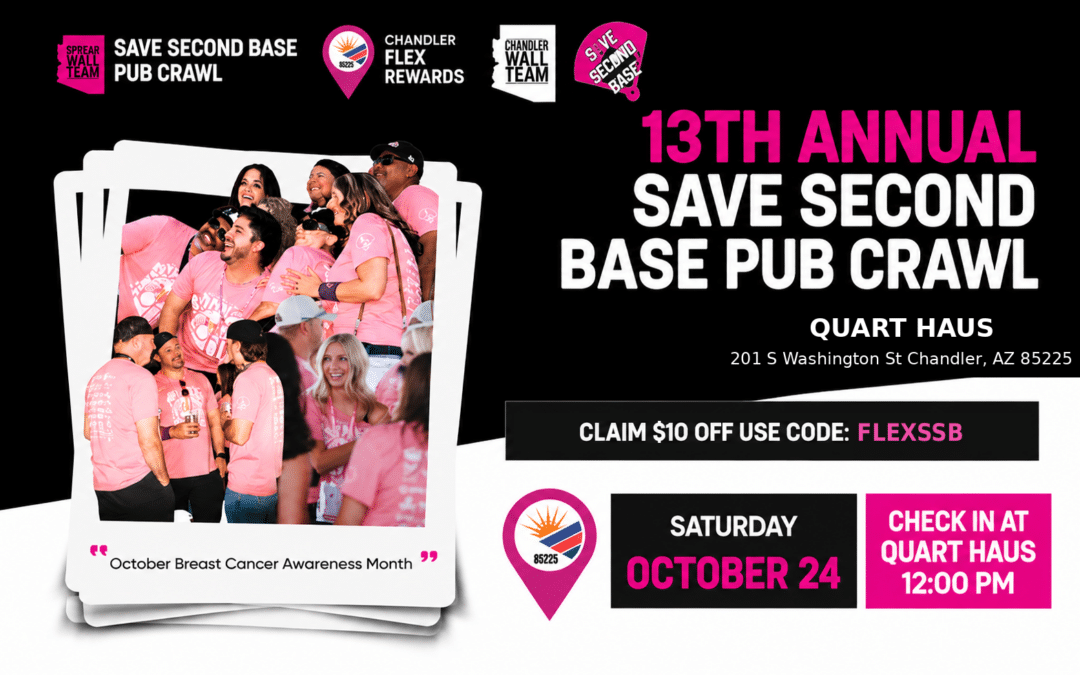
Every October, communities across the country unite for one shared mission. Together, they educate, support, and take action against breast cancer. Chandler Flex Rewards is a proud sponsor of the 13th Annual Save Second Base Pub Crawl in Downtown Chandler. Use code FLEXSSB to save $10 on registration at savesecondbasepubcrawl.com.
For us, Breast Cancer Awareness Month is more than a calendar event. Instead, it is a powerful reminder that local businesses and residents can make a real difference. Here is how we turn awareness into action right here in Chandler, Arizona.
Key Takeaways
- Every October is Breast Cancer Awareness Month. It is a dedicated time for education, early detection, and support for patients, survivors, and families. The pink ribbon is the global symbol of this effort, and Chandler Flex Rewards embraces it across participating local businesses.
- Early detection through mammograms, clinical exams, and self-awareness dramatically improves outcomes. In fact, localized breast cancer has a five-year survival rate above 99%.
- Local initiatives turn awareness into concrete help. For example, Chandler Flex Rewards’ shop-local campaigns, QR code rewards, and sponsored events support research and patient care.
- One in eight women will develop breast cancer in her lifetime. As a result, community-level awareness and fundraising matter year-round, not just in October.
- Chandler Flex Rewards is a proud sponsor of the 13th Annual Save Second Base Pub Crawl in Downtown Chandler. Use code FLEXSSB to save $10 on registration at savesecondbasepubcrawl.com.
What Is Breast Cancer Awareness Month?
Breast Cancer Awareness Month is observed every October in the United States and around the world. Its purpose is to spotlight breast cancer risks, screening options, research progress, and support systems. Above all, it promotes early detection through screenings. Public outreach encourages self-exams and mammograms at every level, from national campaigns to neighborhood events.
Breast cancer itself is the uncontrolled growth of cells in breast tissue, most often in the ducts or lobules. It is the most common cancer among women worldwide. Men can develop it too, though far less frequently. When people refer to cancer awareness month in October, they mean breast cancer specifically. Other cancers have their own designated months and ribbon colors.
In cities like Chandler, Arizona, nonprofits, healthcare systems, and local businesses use October for fundraisers, health workshops, and screening days. For example, Desert Cancer Foundation of Arizona is based right here in Chandler. It offers free or reduced-cost mammograms for uninsured residents. Meanwhile, fitness events like the “Sweat for Purpose” challenge at QuartHaus bring neighbors together for movement and remembrance.
History of Breast Cancer Awareness Month and the Pink Ribbon
Breast Cancer Awareness Month was founded in 1985. It began as a partnership between the American Cancer Society and Imperial Chemical Industries, a pharmaceutical division of a British company. Initially, it was a week-long push to raise awareness about mammography. Over time, the campaign expanded into the full month of October.
In the early 1990s, grassroots advocate Charlotte Haley began distributing peach-colored ribbons. Her goal was to draw attention to a troubling fact: only about five percent of the National Cancer Institute’s budget went to cancer prevention. Consequently, her efforts highlighted the gap between high cancer rates and low prevention spending.
Then, in 1992, Self magazine editor Alexandra Penney and Estée Lauder’s Evelyn Lauder adapted Haley’s concept. They changed the ribbon to pink and distributed 1.5 million of them at Estée Lauder counters, paired with educational materials. This corporate-nonprofit partnership dramatically boosted visibility.
The pink ribbon was adopted in 1993 as a symbol recognized around the world. The Breast Cancer Research Foundation was established that same year. Since then, the ribbon has become inseparable from breast cancer research fundraising and advocacy campaigns globally.
The Meaning and Shades of the Pink Ribbon
The pink ribbon is now the universal symbol of breast cancer awareness. It represents hope, solidarity, and support for patients, survivors, caregivers, and families. Wearing or displaying one signals that you stand with those affected by the disease. It also shows that you are committed to raising awareness and promoting education.
There is no single official shade of pink. Most campaigns use a soft pastel to medium pink. For example, #FFC0CB is a common HEX value for general awareness, while brighter shades like #FF69B4 (hot pink) appear in fundraising promotions. Different hues sometimes highlight specific experiences. Hot pink may reference inflammatory breast cancer. Similarly, teal-and-pink combinations draw attention to hereditary breast cancers linked to BRCA gene mutations.
Throughout October, landmarks are illuminated in pink to raise awareness. Sports teams also swap their usual colors for pink-accented uniforms. Locally, Chandler Flex Rewards merchants can decorate storefronts, checkout areas, and app graphics with pink ribbons. As a result, customers can easily spot businesses that actively support breast cancer awareness.
Why Breast Cancer Awareness Month Matters
Breast cancer is the most common cancer among women worldwide. It is also the second most common cancer in women in the United States. One in eight women will be diagnosed in her lifetime. Furthermore, it is the second leading cause of cancer-related deaths among women, with roughly 43,400 women lost to the disease in 2024 alone. Men can also develop breast cancer, though it accounts for a small fraction of diagnoses.
Awareness efforts improve early detection by encouraging regular screenings. They also teach people to recognize potential symptoms like lumps, skin changes, flaky skin near the breast, or unusual nipple discharge. Additionally, local blogs that share community news and rewards-focused events keep these conversations active year-round through Chandler-focused breast cancer and rewards updates. Many women miss early signs due to lack of awareness. That is exactly why this month exists.
Education also helps reduce stigma around breast cancer. Awareness campaigns share survivor stories, normalize conversations about mammograms, and promote open dialogue in families and workplaces. In turn, people feel empowered rather than afraid. Breast Cancer Awareness Month also offers a space to honor survivors and remember those lost to the disease.
Raising funds during October supports breast cancer research and patient navigation programs. It also funds practical help such as transportation, wigs, counseling, and financial assistance. Educating communities can improve early detection. Moreover, awareness months can drive real changes in policies, insurance coverage for screening, and investment in research.
Early Detection: What It Is and Why It Saves Lives
Early detection means finding breast cancer at its earliest, most treatable stages. This happens through mammograms, clinical breast exams, and personal body awareness. The core message is simple: early detection significantly increases survival rates. When breast cancer is found at a localized stage, the five-year relative survival rate is above 99%. However, once it reaches distant organs, that rate drops to roughly 30–33%.
Smaller, localized tumors found by routine screening often require less aggressive treatment. That can mean smaller surgeries and shorter courses of therapy. It also means better well-being during and after care, compared to cancers discovered after they have spread.
Key warning signs to watch for include:
- A new lump or mass in the breast or underarm
- Skin dimpling, redness, or thickening
- Nipple retraction or unusual discharge
- Persistent pain in one area of the breast
- Flaky skin on or around the nipple
Not all changes indicate breast cancer, but all warrant a visit to your doctor. Many women miss early warning signs simply because they do not know what to look for. If you notice anything unusual, do not delay. Early stages are when treatment is most effective and outcomes are best.
Encouraging mammograms increases early detection rates. In other words, encouraging friends to get screened can save lives. Early detection is especially vital for communities that face barriers to care, such as cost, lack of insurance, or limited local services. Fortunately, local organizations like Desert Cancer Foundation connect people with low-cost or free screening programs. Likewise, platforms such as the Chandler Flex Rewards App in Chandler, Arizona can amplify those opportunities through local business partnerships.
Understanding Breast Cancer Risk and Prevention
Breast cancer risk is influenced by a mix of factors. No single one guarantees whether someone will develop the disease. Still, understanding your personal risk factors is an important step toward prevention and informed decision-making.
Non-modifiable risk factors include increasing age and being assigned female at birth. Early first menstruation (before about age 12) and late menopause (after about age 55) also raise risk. So do close family members with breast or ovarian cancer, and known gene mutations like BRCA1 or BRCA2. Finally, dense breast tissue and a personal history of certain breast conditions play a role.
Modifiable lifestyle factors offer some degree of control. You can lower your risk by maintaining a healthy weight, staying physically active, limiting alcohol, and avoiding tobacco. In addition, discuss the risks and benefits of hormone replacement therapy with a healthcare provider, especially around menopause. Hormones play a role in many breast cancer subtypes. Therefore, understanding how they affect your health is worth a conversation with your doctor.
Risk assessment tools and genetic counseling are available for people with strong family histories. If breast or ovarian cancer runs in your family, ask your clinician about genetic testing or enhanced surveillance. These steps do not eliminate risk entirely. However, they give you a sense of control and a plan. It is much like choosing tools that make everyday routines more intentional. For instance, the Chandler Flex Rewards digital stamp card helps you support neighborhood businesses during daily errands.

Screening Guidelines and How to Get Checked
Current guidance recommends that women in their 40s discuss mammography with their healthcare provider. Mammograms are recommended every one to two years for women aged 40 and older, per the updated 2024 guidelines from the U.S. Preventive Services Task Force. Providers tailor screening frequency to each patient’s age, risk profile, and medical history.
Some women have higher-than-average risk. This includes those with strong family histories, genetic mutations, or prior chest radiation. In these cases, doctors may advise starting screening earlier or adding supplemental imaging like MRI. Similarly, men with significant risk factors should discuss breast cancer screening with their doctors.
Here is what to expect during a mammogram:
- You will stand in front of a specialized X-ray machine.
- A technologist positions your breast between two plates, which compress briefly.
- The exam uses low-dose X-rays and takes just a few minutes per breast.
- You may feel brief discomfort or pressure, but it should not be intensely painful.
- A radiologist reviews the images and contacts you with results or next steps.
October often brings special screening days, extended clinic hours, or reduced-cost mammograms at hospitals and imaging centers. Chandler-area residents should watch for local offers promoted through community partners and the Chandler Flex Rewards app. It is a local loyalty rewards app that helps you shop small and win big. Most importantly, mark October on your calendar each year as a reminder to schedule your screening. Then encourage a loved one to do the same.
Supporting Patients, Survivors, and Families
A breast cancer diagnosis affects far more than just the patient. Treatment can bring fatigue, financial stress, and changes in appearance. It also brings the challenge of balancing work, family, and recovery. Fortunately, there are many meaningful ways to help.
Practical support actions that make a difference:
- Driving someone to chemotherapy or radiation appointments
- Preparing meals for a family during treatment
- Offering childcare so a patient can rest
- Simply listening without judgment or pressure
- Volunteering to package care kits for patients at local nonprofits
Many organizations support survivors and patients with counseling, financial assistance, wigs, prostheses, and peer mentoring. Meanwhile, the Chandler Flex Rewards app lets you shop, dine, and get rewarded. In doing so, it encourages residents to keep supporting the neighborhood businesses that host these services and events. In Chandler, the East Valley Breast Cancer Support Group meets monthly at Ironwood Women’s Center. Desert Cancer Foundation also provides direct help. Additionally, organizations advocate for closing gaps in outcomes, since Black women and other underserved groups face higher mortality rates.
Small business owners and staff can show support too. For instance, they can decorate with pink ribbons, share educational pamphlets, or organize staff volunteer days. Some dedicate a percentage of October sales to breast cancer research or patient-assistance funds. These actions send a clear message: this community cares about its people.
How to Participate in Breast Cancer Awareness Month This October
There are many ways to get involved. You might prefer hands-on events, online advocacy, or everyday shopping choices. Either way, community fundraising plays a crucial role in raising awareness. In fact, October is a critical month for funding cancer research.
Get active locally:
- Participate in local fundraising walks for breast cancer research. These walks and races mobilize community engagement and donations.
- Organize a workplace event to promote awareness, such as a lunch-and-learn, a pink dress-up day, or a bake sale.
- Host a charity gaming event to raise funds for a local breast cancer nonprofit.
- Engage schools, churches, or neighborhood groups in awareness and fundraising activities.
Go digital:
- Create fundraisers on platforms like Facebook or Instagram. Digital campaigns are also great for sharing stories and screening reminders.
- Share educational resources to inform others. After all, a single post can reach hundreds in your network.
Make everyday choices count:
- When you shop and give local, look for pink ribbon promotions and donation opportunities at Chandler businesses. Then consider how collecting digital stamps through the Chandler Flex Rewards guide to collecting stamps and winning gift cards turns everyday purchases into ongoing community support. Collaborating with local organizations also enhances outreach. For example, businesses can distribute pamphlets and host health workshops where people already spend time.
- Celebrate milestones by asking for donations instead of gifts. A birthday or anniversary is a perfect moment to redirect generosity toward breast cancer research.
- Donate directly to reputable organizations, or set up a peer-to-peer fundraising page. Either way, anyone can participate, regardless of budget.
Chandler Flex Rewards, Shop Local, and the Pink Ribbon
Chandler Flex Rewards is a digital stamp card and local loyalty platform based in Chandler, Arizona. It helps residents support small businesses while collecting stamps and redeeming offers, including discounts, special offers, and entries into local gift card giveaways. In short, it is a community-first alternative when you compare Chandler Flex Rewards and traditional coupons.
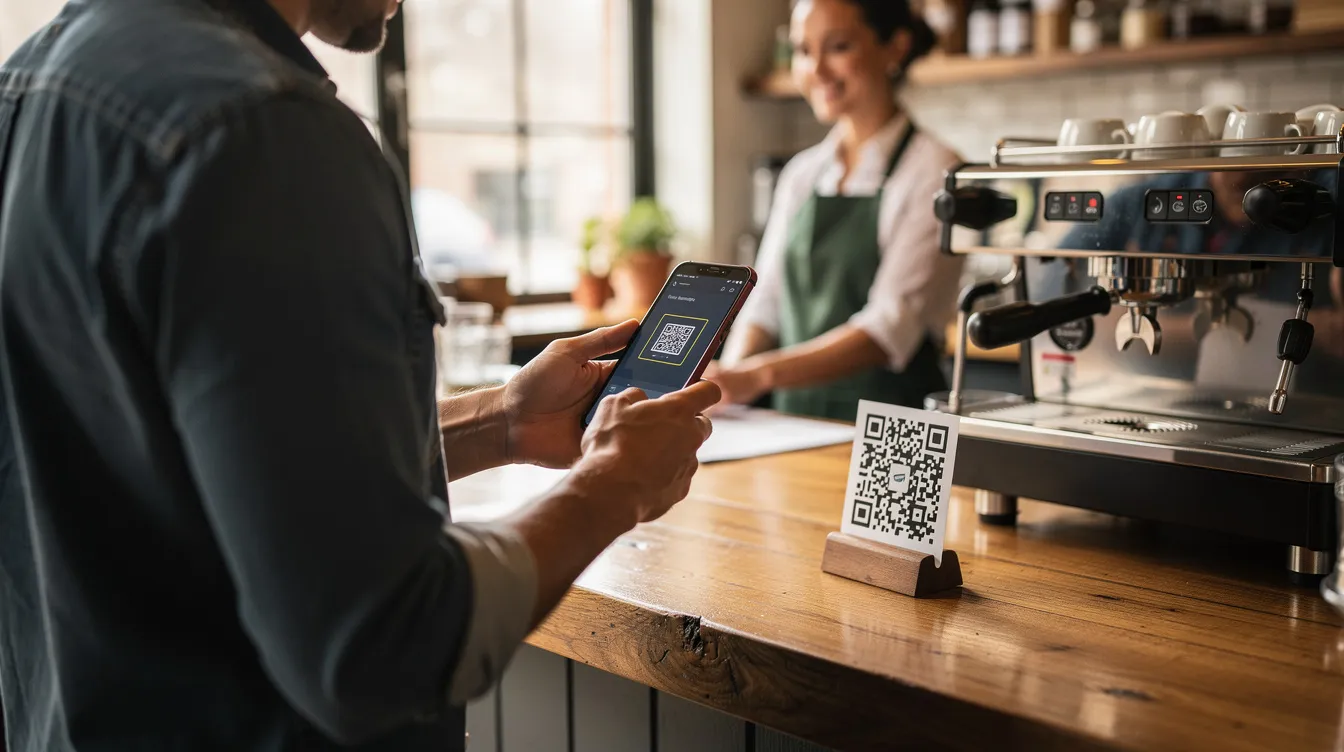
During October, local loyalty and cancer awareness work hand in hand. Participating merchants can display pink ribbons at checkout or add awareness messages next to their QR code rewards. Some run limited-time offers where collecting a certain number of stamps triggers a business donation to a breast cancer charity. As a result, ordinary shopping becomes something with purpose and mission.
The Chandler Flex Rewards app can highlight “pink partner” businesses during Breast Cancer Awareness Month. This makes it easy for users to shop local, scan QR codes for contactless stamps, and see which shops actively support the cause. Unlike national coupon sites, this platform is built on a local-first, community-support model. Every transaction stays rooted in Chandler. That design also reflects why Chandler Flex Rewards is a better fit than city-run programs like Choose Chandler for many small businesses.
Community engagement is central to the brand. Its model showcases why this app is one of the best loyalty programs for small businesses that want to tie everyday purchases to meaningful causes. In October, the platform can use in-app notifications, email updates, and social posts to promote awareness and share early detection reminders. It can also feature small business offers tied to the pink ribbon theme. Ultimately, it is a way to level up your local experience with gamification while supporting a cause that touches millions.
Save Second Base Pub Crawl: Local Fun with a Purpose
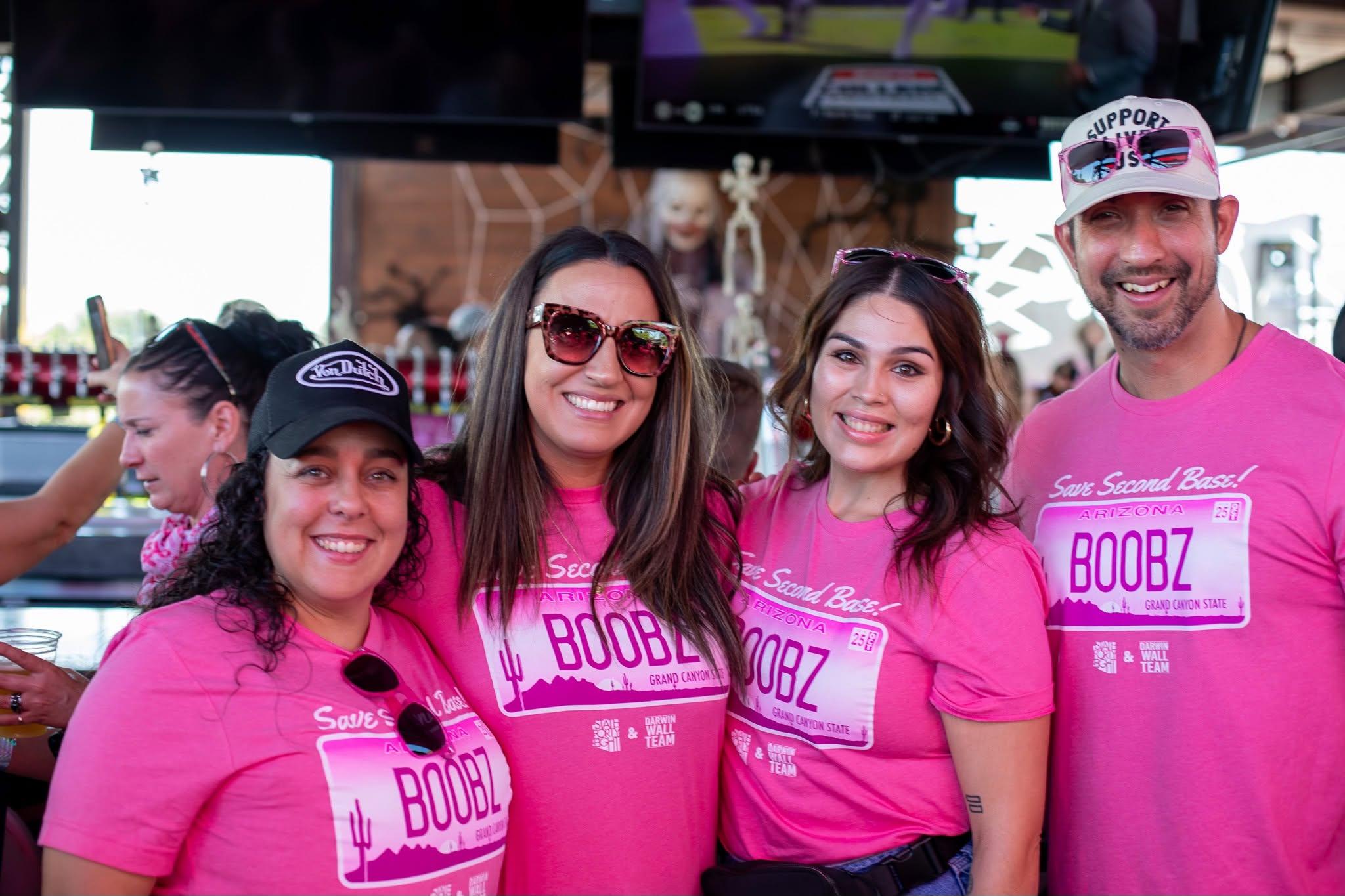
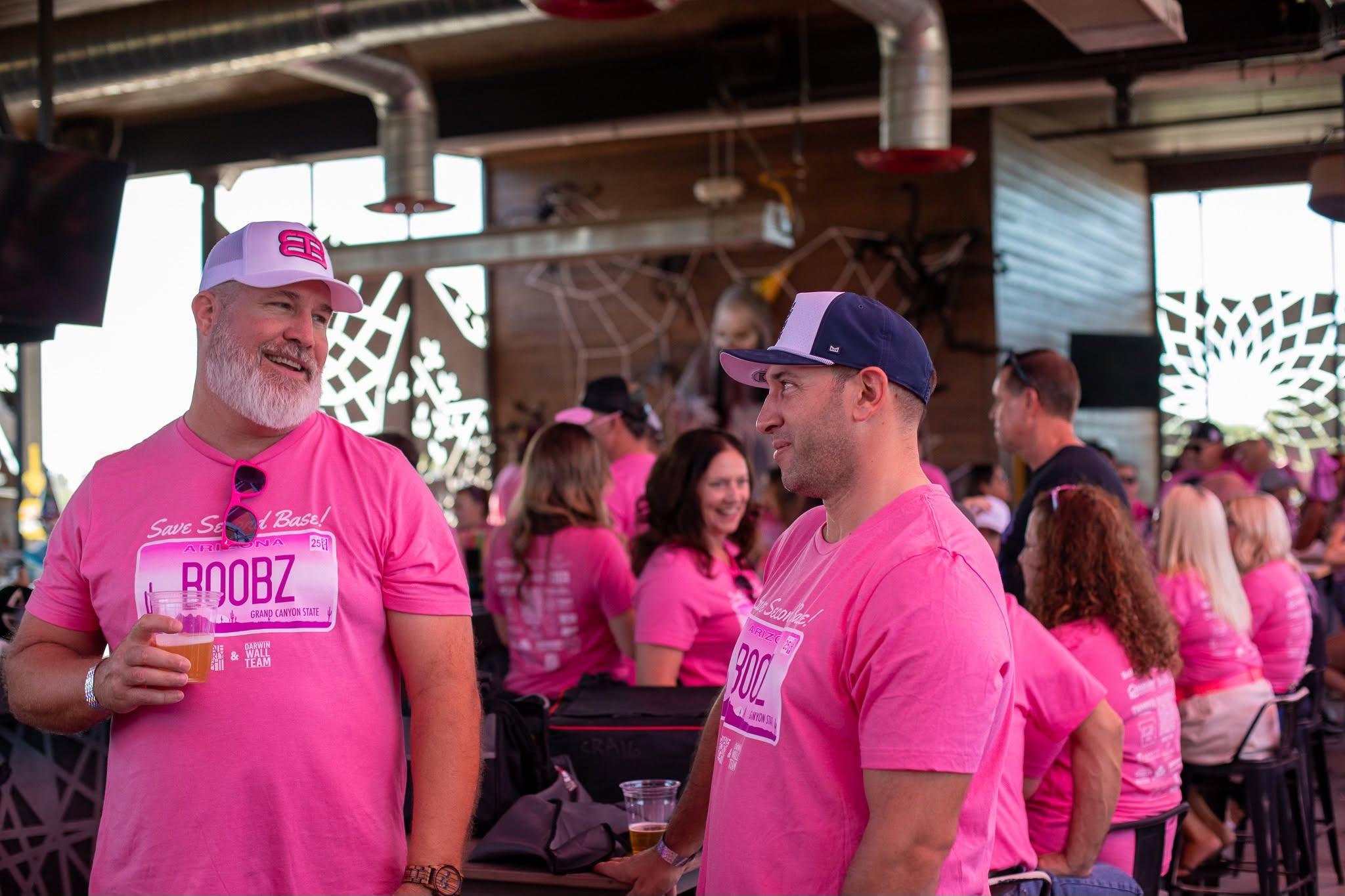
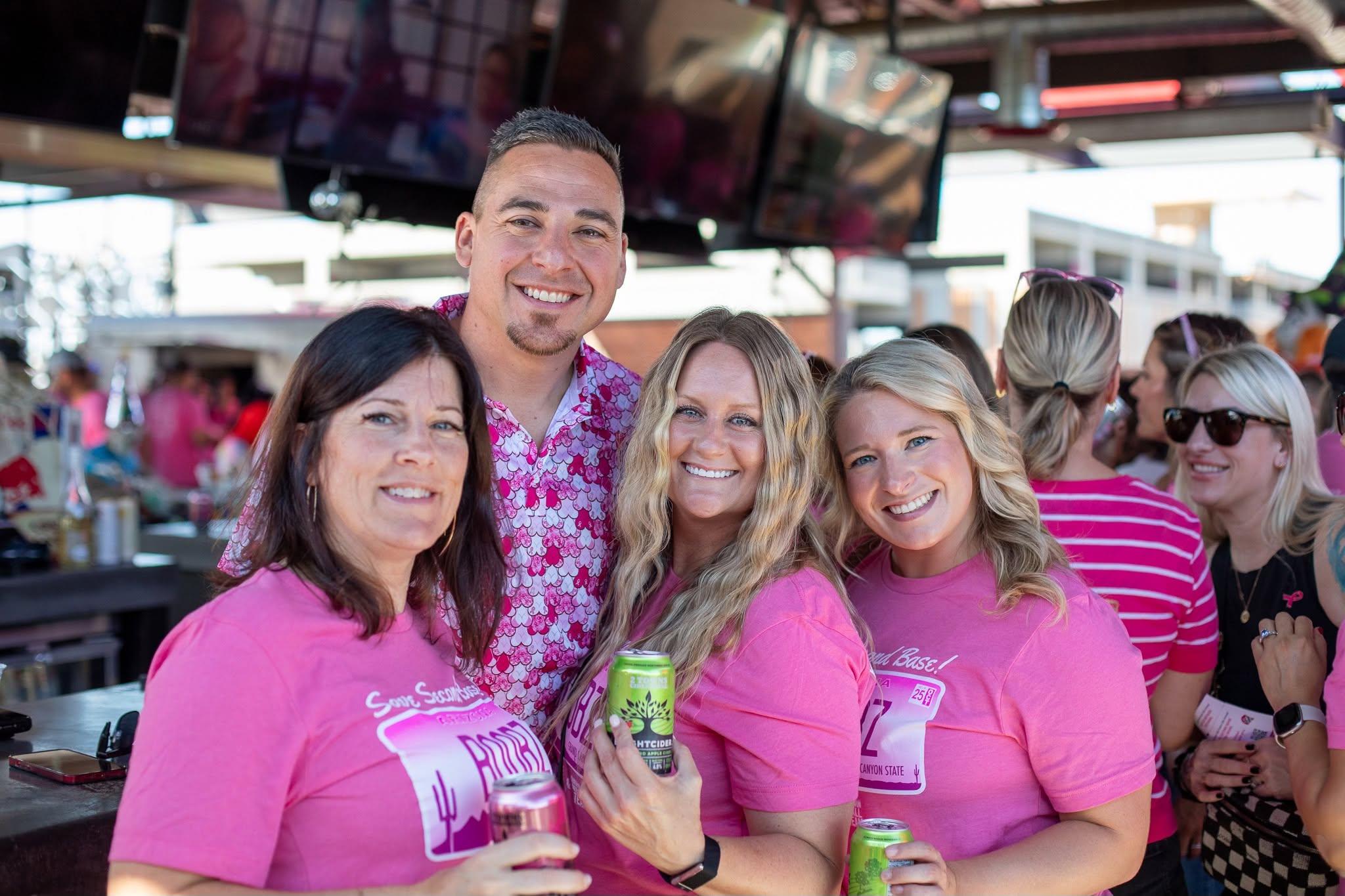
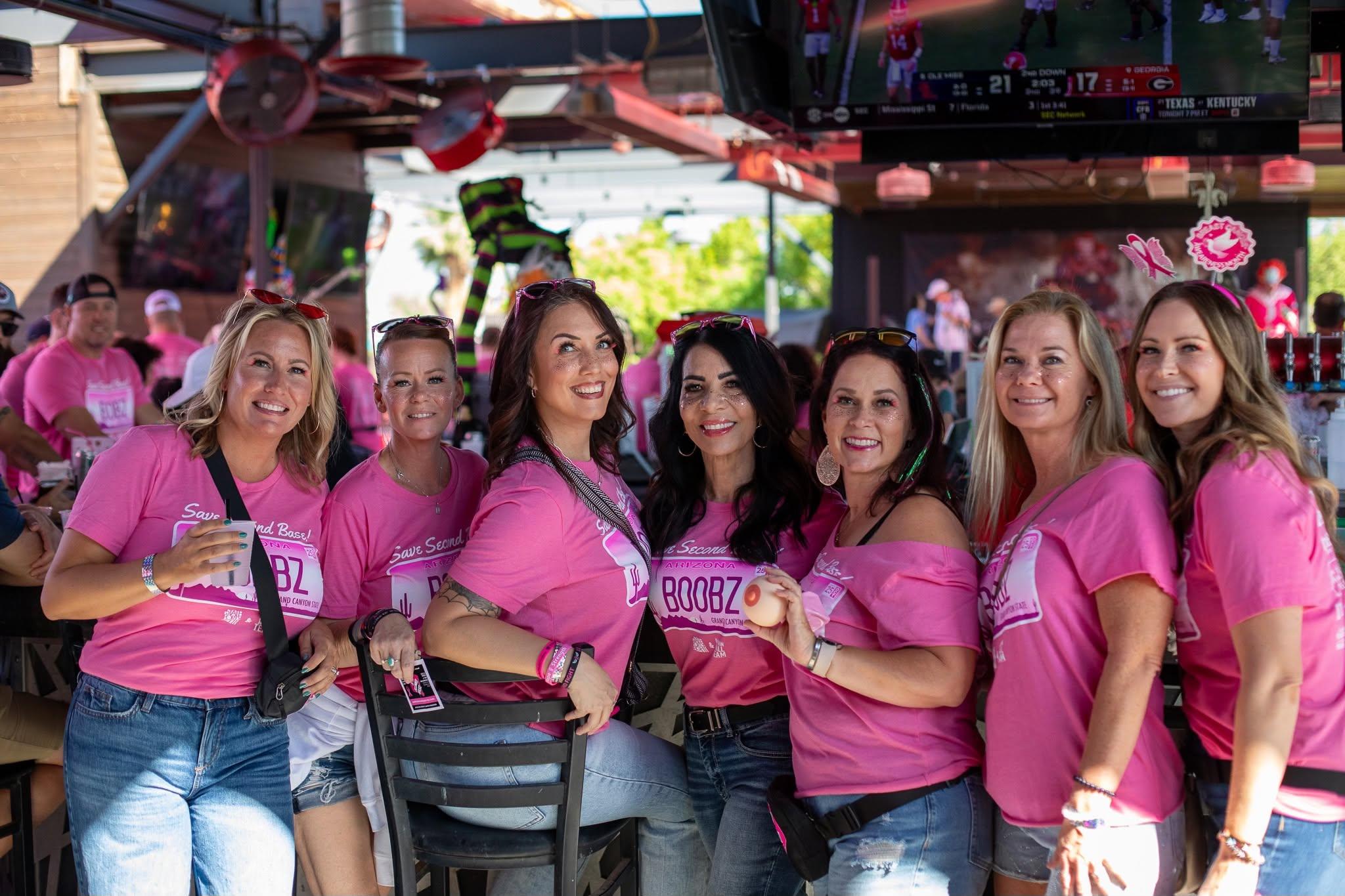
Chandler Flex Rewards is a proud sponsor of the 13th Annual Save Second Base Pub Crawl in Downtown Chandler. This October event combines a fun night out with fundraising and breast cancer awareness. Only a tight-knit community can pull it off this well.
The concept is straightforward. Participants visit multiple downtown venues, many decorated with pink ribbons and awareness displays. Then, a portion of event proceeds supports breast cancer-related causes. It is a night of energy, laughter, and advocacy all rolled into one.
Ready to participate? Register at savesecondbasepubcrawl.com and use promo code FLEXSSB at checkout to save $10 on registration. Along the way, you will discover some of the best restaurants and bars in Chandler.
The event aligns perfectly with what Chandler Flex Rewards stands for. It also connects directly to the ongoing work highlighted in the Chandler Flex Rewards sponsorship of the Save Second Base 2025 Pub Crawl. Attendees discover and support multiple local businesses in a single evening. Afterward, the platform helps keep those connections going year-round through digital stamp cards, QR code stamps, and recurring local offers. So wear your pink ribbon, bring your friends, and make a difference.
Year-Round Cancer Awareness Beyond October
October draws special attention to breast cancer awareness. However, the need for education, early detection, and support continues every month. Do not wait for a pink ribbon display to schedule your screening or check in on a loved one going through treatment.
Chandler Flex Rewards and local businesses can weave ongoing awareness into regular operations. For example, they can host occasional health-focused events, set up information tables at community gatherings, or run periodic fundraisers well beyond October. Sharing educational resources at any time of year closes gaps in knowledge and connects people to care sooner.
Consistently choosing neighborhood businesses keeps community hubs strong. In turn, that makes it easier to organize future awareness events, fundraisers, and support networks. When you discover local experiences in Chandler through the app, you are investing in the infrastructure that makes community-driven health advocacy possible.
The future is hopeful. Sustained awareness efforts, combined with ongoing research, have already improved survival rates dramatically over the past several decades. With continued advocacy, education, and community involvement, we can help save more lives for generations to come.
Frequently Asked Questions About Breast Cancer Awareness Month
When is Breast Cancer Awareness Month, and why October?
Breast Cancer Awareness Month takes place every October. The tradition began in 1985 to focus public attention on breast cancer risks, mammograms, and early detection. October provides a consistent annual anchor for large campaigns, fundraisers, walks, and community events. Over the decades, it has become the most widely recognized health awareness month in the United States.
Is the pink ribbon only for women with breast cancer?
No. The pink ribbon stands for breast cancer awareness in general. It honors everyone affected by the disease, including women, men, survivors, patients in treatment, caregivers, and families. Therefore, anyone can wear or display a pink ribbon to show support and start conversations.
How can I support breast cancer awareness if I cannot donate money?
Non-monetary actions still make a real difference. For example, you can share accurate information on social media, check in on friends undergoing treatment, or volunteer at local events. You can also encourage loved ones to schedule screenings and choose businesses that participate in awareness campaigns through programs like Chandler Flex Rewards. Even a single conversation about mammograms can be life-changing.
Does shopping local really help with breast cancer awareness?
Yes. Local businesses often host or sponsor Breast Cancer Awareness Month events and decorate with pink ribbons. Many also provide space for educational materials or run promotions where a portion of sales supports research or patient services. So when you choose local shops and restaurants, especially those in the Chandler Flex Rewards app, you boost awareness and fundraising. Your money also stays in your community.
Where can I learn more about my personal breast cancer risk?
Start with your primary care provider or gynecologist. They can review your medical and family history, discuss risk factors, and recommend screening schedules or genetic counseling referrals. Reputable nonprofit and medical websites are also valuable for education. However, online information should never replace professional medical advice. If you have a strong family history, ask specifically about BRCA testing and whether earlier or more frequent screening makes sense for you.
