
Introduction
This practical guide is designed for small business owners who want to build customer loyalty and drive repeat business through effective rewards programs. You’ll learn how digital stamp cards work, why loyalty programs matter for small businesses, and how to design and launch a program that fits your unique needs. Discover actionable strategies to increase customer retention and grow your business with simple, modern tools.
Key Takeaways
-
Effective rewards programs for small businesses focus on building customer loyalty, increasing customer retention, and giving repeat customers a clear reason to return.
-
Digital punch cards incentivize repeat visits without requiring app downloads; customers collect stamps in apple wallet or Google Wallet and earn rewards chosen by the business owner.
-
A rewards program turns customer activity into customer data, showing visit frequency, reward redemptions, customer preferences, and which offers bring customers back.
-
A well-structured rewards program boosts customer engagement and retention without relying only on discounts.
-
Customer loyalty programs do not require massive corporate budgets to be effective; many small businesses can launch digital loyalty in days.
What Is a Rewards Program for Small Business?
A customer loyalty program is a structured way to reward repeat customers and encourage customers to come back more often. Customer loyalty programs rely on frameworks that encourage repeat visits, repeat purchases, and stronger customer relationships over time.
Common loyalty and rewards programs include points, stamps, punch cards, spending tiers, subscriptions, referrals, and value-based rewards. Points-based systems reward customers for every purchase; Customers earn points for every purchase in points-based systems; loyalty points can be redeemed for discounts or free merchandise. Punch cards reward customers after a set number of purchases, while digital stamp cards are the modern upgrade.
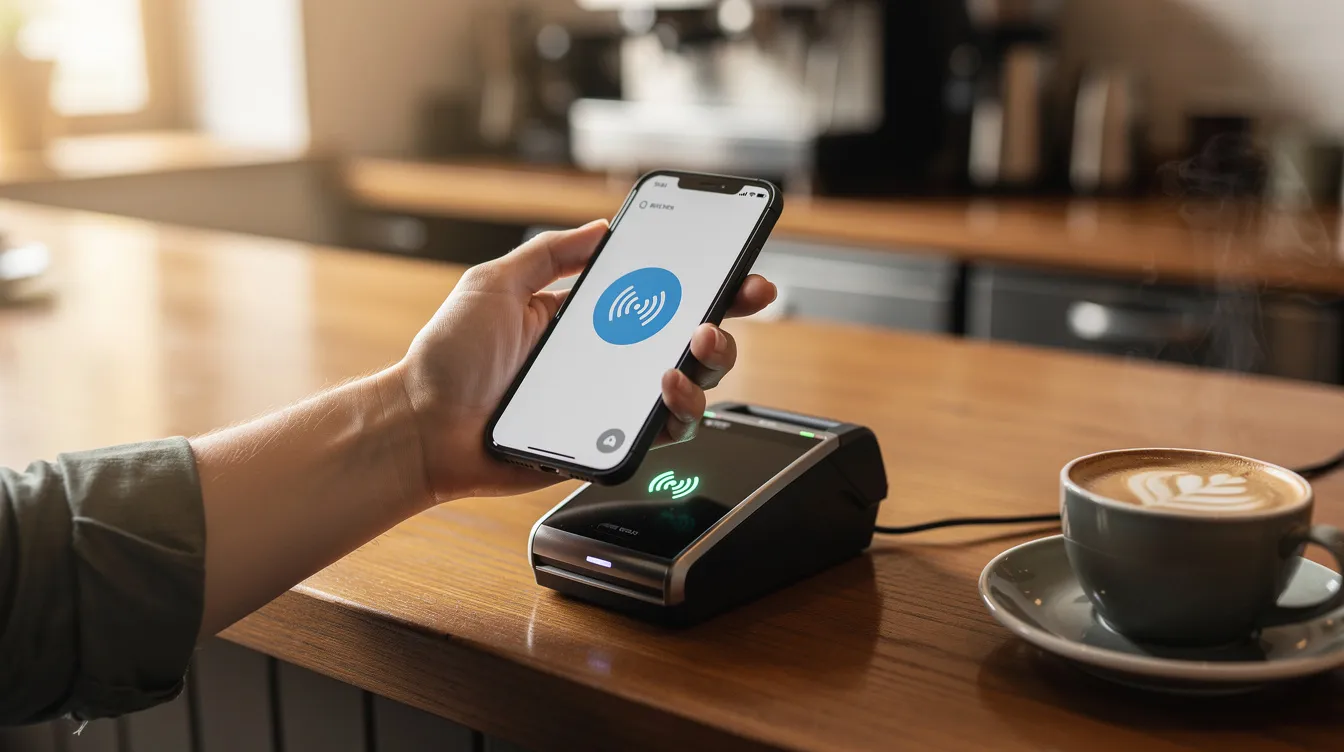
With digital loyalty, the loyalty card lives on a phone instead of paper punch cards that get lost in purses, cars, or wallets. Customers add it to Apple Wallet or Google Wallet, collect stamps in store, and see progress toward customer rewards. A coffee shop might offer “Buy 9, get 1 free,” while a salon might offer “Collect 6 stamps, get 25% off your next service,” similar to how a digital stamp card app for Chandler residents replaces paper cards with a simple, eco‑friendly alternative.
Why Rewards Programs Matter for Small Businesses
The Value of Repeat Customers
65% of a company’s business comes from repeat customers. That matters because getting a new customer costs 5–25 times more than keeping an old one, and loyalty programs can reduce customer acquisition costs by 5-25 times by keeping customers coming back.
Impact on Sales and Customer Spend
Loyalty programs can increase customer visits by 37%, and loyalty program members spend 37% more than non-members. According to digital wallet research reported by Vibes, customers are increasingly comfortable managing loyalty cards inside mobile wallets rather than downloading another app, especially when those cards are powered by a contactless, QR code-based digital stamps app.
Customer Retention and Advocacy
For small businesses, customer retention is not just a metric; it is business growth. A smart loyalty program can increase sales, bring customers in during slower hours, and turn loyal customers into brand advocates. Loyalty programs leverage word-of-mouth marketing for customer acquisition, especially when happy members start referring friends.
Recognition and Customer Experience
The real power is recognition. When customers feel seen through stamps, personalized offers, exclusive perks, or early access, customer experience improves. Loyalty programs turn customers into brand advocates through rewards, not pressure.
Types of Rewards Programs You Can Use
Small businesses do not need enterprise-level complexity. Effective strategies for small businesses focus on convenience and value.
-
Points-Based Programs
Customers earn points per purchase or per dollar spent. Points can be redeemed for discounts or free merchandise.
Best fit: Retail, ecommerce, varied baskets -
Stamp/Punch Card Programs
Customers collect stamps toward offers, such as “Buy 9, get 1 free.”
Best fit: Cafes, salons, bakeries, service visits -
Tiered Programs
Tiers unlock exclusive perks based on customer engagement levels. Spending tiers provide customers with exclusive benefits and recognition, and tiered rewards programs offer better perks for higher spending.
Best fit: Growing brands with VIPs -
Subscription Programs
Subscription-based loyalty programs charge a recurring fee for perks, such as monthly discounts or exclusive access.
Best fit: Predictable repeat use -
Value-Based Programs
Value-based programs reward actions reflecting customer values, such as supporting local causes or sustainable practices.
Best fit: Community-focused brands -
Referral Programs
Referral programs reward existing customers for bringing in new business.
Best fit: Local growth and new customers -
Cash-Back Programs
Cash-back rewards offer financial incentives for continued shopping.
Best fit: High-frequency purchases
Still, for most programs for small businesses, digital stamp cards are the easiest place to start. They are simple, visual, fast, and ideal for loyalty programs for small teams that need results without heavy admin, especially when you compare digital stamp rewards to traditional coupons and see how stamps build longer-term loyalty.
How Digital Stamp Card Rewards Programs Work
The Digital Stamp Card System
Digital stamp cards are a specific rewards system where allowing customers to collect stamps unlocks custom offers. The business owner designs the offer to fit business goals: “Collect 8 stamps, get a free drink,” “Collect 5 stamps, get 30% off,” or “Collect 10 stamps, get a seasonal pastry box.”
The Customer Journey
-
Join the Program: A customer joins through a QR code, link, or staff invite.
-
Add to Wallet: The customer adds the card to Apple Wallet, Google Wallet, or other major platforms.
-
Collect Stamps: Staff add a stamp when the customer checks in or makes a qualifying purchase.
-
Redeem Rewards: When the card is full, the business can deliver rewards in a timely manner.
-
Reset or Upgrade: The card resets or moves the customer into another offer.
Integration and Flexibility
Stamps can be issued through a scan, staff button, kiosk, or point-of-sale workflow. Integrate loyalty systems with POS for real-time tracking when you are ready; pos integration is helpful, but it is not required on day one. Tools such as square loyalty, a square dashboard, or other loyalty software can help track activity if they fit your setup, and it is worth comparing flexible loyalty apps with POS-tied programs to choose the right level of complexity.
Designing a Rewards Program That Fits Your Business
Setting Your Goals
Start with the outcome. Do you want more weekday traffic, higher average order value, more repeat business, or better customer engagement? Your business goals shape the rules.
Elements of a Strong Digital Card
A strong digital card needs:
-
A clear “Earn X, Get Y” offer
-
Brand colors, logo, and simple design
-
A reward customers actually want
-
A stamp goal that feels achievable
-
A staff script that takes one sentence
For everyday purchases, 8–12 stamps often works. For higher-ticket services, 4–6 stamps may be better. Service-based businesses can benefit significantly from customer loyalty programs because regular appointments, upgrades, and add-ons naturally support repeat behavior, especially when they use a small-business-focused loyalty program built for local communities.
Reward Ideas Beyond Discounts
Reward ideas beyond discounts include free add-ons, birthday offers, members-only menu items, personalized experience upgrades, and early access to new products. Personalized offers should reflect customer needs, customer demographics, and real customer preferences.

Turning Customer Activity into Useful Customer Data
Tracking Customer Behavior
65% of a company’s business comes from repeat customers, so understanding those people is essential. Loyalty programs provide insights into customer buying habits, and loyalty programs help businesses understand customer preferences.
Digital loyalty programs can double customer retention rates because they make customer activity visible. You can track visit frequency, time of day, reward redemptions, offer response, and active versus lapsed customers.
Using Data for Business Decisions
Data collection tools in loyalty programs enable smarter business decisions, and loyalty programs are a data engine for personalized marketing.
Use customer insights to identify your top 50 customers, surprise them with a bonus reward, or test double-stamp days during slow windows, similar to a double digital stamps holiday promotion that accelerates how quickly customers earn rewards. These valuable insights can guide staffing, inventory, messaging, and program performance.
Building Trust with Transparency
Be transparent. Tell customers what customer data you collect, how it helps deliver better offers, and how you protect it. Trust is part of building customer loyalty and lasting customer relationships.
Steps to Launch Your Rewards Program in Days, Not Months
Start small and pilot your program with a limited group before promoting it everywhere, or join a merchant-focused digital rewards network that gives you built-in tools for customer retention and promotions.
-
Define the goal and offer: Choose one mechanic your team can explain quickly: “10 stamps = 1 free latte.”
-
Design the card: Add your logo, colors, and a clear headline for the loyalty card.
-
Set up stamping: Decide whether staff scan a QR code, tap a button, or use the POS.
-
Train staff: Give them a one-page guide and a short role-play so they invite every customer.
-
Soft-launch: Watch customer engagement for a week, then adjust wording, stamp count, or rewards.
Most small businesses can launch programs for small teams in 3–7 days because the setup is practical, low-cost, and built around convenience.
Keeping Customers Engaged Over Time
Launching a customer loyalty program is step one. Keeping customers engaged month after month is where long term success happens.
Use limited-time bonus stamps, double-stamp days, seasonal offers, birthday rewards, challenges, and contests. Gamification increases brand interaction through challenges and contests, especially when the rules stay simple, like a stamp-based gift card sweepstakes for local shoppers that rewards repeat visits.
Automated rewards can enhance customer engagement through personalized messages. Use email, SMS, push notifications, and reward notifications to remind customers when they are close to earning an offer. Do not over-message. The goal is to make customers feel appreciated, not chased.
Refresh offers quarterly based on market trends and actual behavior. That balance helps build lasting customer relationships and long term relationships without training people to wait for discounts.
Examples of Rewards Program Ideas for Local Businesses
-
Coffee shop: Collect 8 stamps, get a free drink up to $5. Add bonus stamps before 9 a.m. to increase morning traffic.
-
Hair salon or barbershop: Collect 5 stamps, get 30% off your next service. This encourages 4–6 week booking habits and add-on treatments.
-
Bakery: Collect 10 stamps, get a Friday pastry box. This drives end-of-week visits and introduces seasonal products.
-
Fitness studio: Collect 12 class stamps, get 1 free guest pass. Referral rewards provide incentives to current and new customers.
-
Local retailer: Earn 1 stamp per visit over $25, then unlock an upgrade or exclusive perks.
Each example helps track customer activity and shows which offers actually increase repeat visits, reward redemptions, and making purchases, especially when they are part of a broader local community rewards and events ecosystem that encourages shoppers to support nearby businesses.

Common Mistakes Small Businesses Make with Rewards Programs
Many loyalty programs fail because execution gets messy. The biggest mistake is complexity: too many tiers, confusing point math, or rules staff cannot explain.
Another issue is rewards that take too long. If customers need months to earn anything, motivation drops. Generic rewards are also weak; a tiny discount may feel less valuable than a free add-on or exclusive access.
Do not ignore the data. If you never review customer data, customer engagement, or redemption behavior, you miss the chance to improve. Also avoid discount overload. A strong rewards program should support brand loyalty, not make your business feel permanently on sale.
Measuring Success and Improving Your Program
65% of a company’s business comes from repeat customers, so measure whether your program is increasing customer retention. Track active members, repeat visits, reward redemption rate, average spend, referral activity, and customer relationships.
Review results monthly or quarterly. If reward redemptions are low, the offer may be too distant. If customers are joining but not returning, improve reminders. If your most valuable customers already visit often, create tiered rewards or a surprise VIP perk, or plug into a POS-agnostic community rewards platform that makes VIP perks and giveaways easy to manage.
Customer loyalty is an ongoing experiment. Keep what works, remove friction, and use feedback from staff and regulars to keep the customer experience sharp.
Frequently Asked Questions
How quickly can a small business realistically launch a digital stamp rewards program?
Most small businesses can launch in 3–7 days, including offer planning, card design, basic setup, staff training, and a short test period.
Do customers really use digital stamp cards instead of paper punch cards?
Yes. Digital cards are harder to lose, easier to update, and more convenient at checkout. They also avoid requiring customers to download another app.
What kinds of rewards work best without hurting profit margins?
Choose rewards with high perceived value and manageable cost: free add-ons, upgrades, limited items, slower-day incentives, or exclusive perks instead of constant storewide discounts.
Can a rewards program help if my business mainly relies on walk-in traffic?
Yes. Walk-in businesses benefit because a digital loyalty card gives casual visitors a reason to become repeat customers and helps bring customers back after the first visit.
What if my customers are not very tech-savvy?
Keep the process simple. Staff can help customers add the card in seconds, and the rules should be easy enough to explain in one sentence.
A rewards program should feel simple for customers and strategic for your business. Build it around clear offers, useful data, and genuine appreciation, and you can turn everyday visits into stronger retention, smarter marketing, and measurable growth.